The Engineer II is the line where BALL's magnetic protection became a visible feature. The Magneto S, shown in 2014, carried the A-PROOF system in a caseback with a shutter that closes over the movement. The watch is built on a chronometer-certified caliber with SpringLOCK protection, and owners should treat the shield and the shock system as the parts that define it.
The Magneto S and the A-PROOF shield
The Magneto S debuted at Baselworld in 2014 as a member of the Engineer II collection. BALL's catalogue describes it as the first BALL watch to carry A-PROOF, a magnetic-shielding system with a mu-metal inner enclosure. The shield is closed by turning a shutter on the caseback, which completes the magnetic enclosure, and opened to reveal the movement through the sapphire caseback.
The model came with a 42 millimeter stainless steel case, 100 meters of water resistance and SpringLOCK shock protection for the balance spring. The Engineer II should not be confused with the Engineer Master II, which is a separate line with its own calibers and a slide chronograph system.
The RR1103 caliber and its base
The Magneto S uses the RR1103-CSL, a chronometer-certified movement from BALL's RR1103 family. The family is built on a Swiss base caliber that BALL adjusts to its own standards, and the base can differ by execution. The distinction matters because a watchmaker who knows the base will plan the work more quickly, but the BALL modifications, the SpringLOCK system and the shield each need attention of their own.
Check the caliber number on the papers or on the movement before you agree to a quote. The RR1103 family is sometimes confused with other BALL calibers, and the reference number is the surest way to confirm which movement is inside.
Movement research on the RR1103 family reports that some examples use an ETA 2824-2 base and others a Sellita SW200-1, and that the jewel count can tell them apart. Treat that as a starting point and confirm it on your own movement, because BALL's modifications sit on top of either base.
Ask the shop to explain how it confirms that the shield closes properly after reassembly. A shield that shuts but doesn't seat fully is not doing its job, and the closed position should be checked before the watch goes back to the owner.
Servicing the magnetic shield and seals
A complete service on an Engineer II covers the movement, the gaskets, the crown and the caseback, and it should include a water-resistance test at the end. The shield needs particular care. The inner enclosure and the caseback shutter must close fully and sit correctly, and a shop should show you that the shield works before returning the watch.
Ask how the SpringLOCK parts are checked, and whether the shop has worked on BALL's shock protection before. The brand recommends a water-resistance test every three to five years, or after the case has been opened, and a shop that schedules that test with the service is following that guidance.
Ask whether the shop will check the shield and the caseback shutter as a separate step after the movement is back in the case. The two are linked, and a shutter that operates smoothly on the bench can still sit misaligned once the case is closed.
Buying a pre-owned Engineer II
Confirm the reference first. The caseback, the papers and the box should match, and the caliber should be the one listed for that reference. A watch with a missing or mismatched caseback, or a shield that doesn't close properly, deserves a closer look before you agree on a price.
Test the caseback shutter, the crown and the bezel, and ask for the most recent water-resistance test. A replaced bracelet, strap or crystal is worth recording, since the warranty excludes those parts and the price should reflect what has been changed. A written inspection from a specialist gives you something concrete to work from.
Ask whether the caseback has been opened and the shield reassembled. A shield that was reclosed by someone unfamiliar with it may sit slightly off, and a watchmaker can usually tell quickly.
Check the strap or bracelet fittings as well, and confirm whether the bracelet has been resized. A resized bracelet can change the watch's balance on the wrist, and it's easy to miss on a quick look.
What to check on a Ball Engineer II
- Experience with A-PROOF magnetic shields and the caseback shutter
- Familiarity with the RR1103 family and BALL's modifications to its base caliber
- A water-resistance test recorded on the quote and the paperwork
Common questions
When did the Ball Engineer II come out?
The Engineer II line was introduced with the Magneto S in 2014, the first BALL watch to carry the A-PROOF magnetic shield.
What movement is in the Magneto S?
It uses the RR1103-CSL, a chronometer-certified caliber from BALL's RR1103 family, with SpringLOCK protection for the balance spring.
Is the Engineer II the same as the Engineer Master II?
No. The Engineer Master II is a separate line with its own calibers and a slide chronograph. Check the reference before you plan a service.
Find a Ball Watch Company specialist
Ball Engineer II owners use Ball Watch Company specialists for servicing, authentication and restoration.
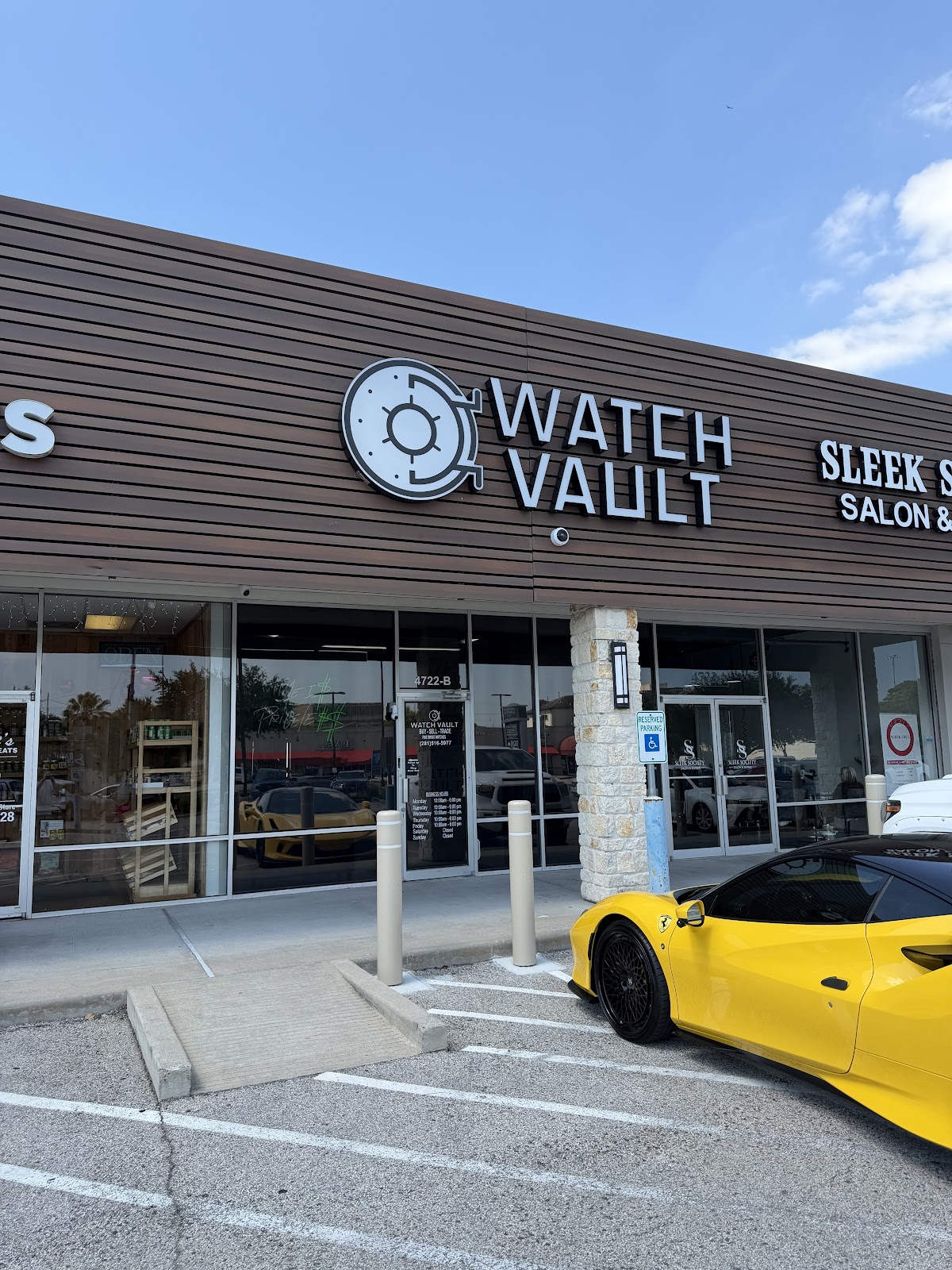
Watch Vault
Afton Oaks / River Oaks Area, Houston, TX
exotic & classic service in Houston
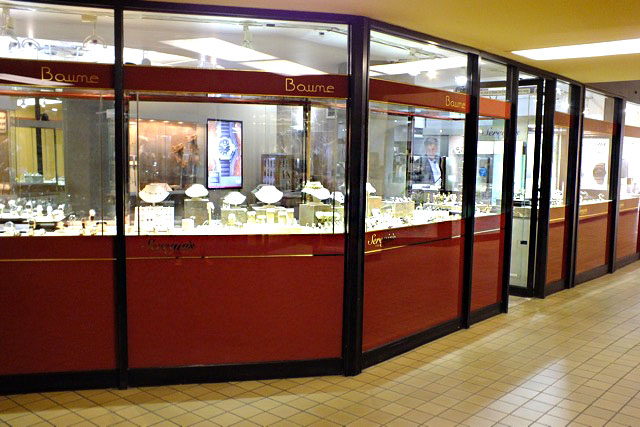
Seregin's Fine Timepieces
Tenderloin, San Francisco, CA
Cozy spot for vintage & high-end timepieces, plus restoration & repair services for luxe items.