The Ventura started as an electric watch, and it still gets attention for that. Hamilton introduced it on January 3, 1957, with a battery in place of a mainspring and electromagnetic impulses keeping the balance moving. Elvis Presley's appearance in Blue Hawaii in 1961 helped make the shape famous, and Hamilton revived the design in 1988. A Ventura on the market today could be an electric watch from the late 1950s or 1960s, or a later quartz or automatic version, and the movement is what tells you which.
Richard Arbib's shield and Hamilton's electric gamble
Richard Arbib designed the Ventura's asymmetric, shield-shaped case, and Hamilton gave him the room to make a watch that looked as new as the technology inside it. The design was meant to show that this was a different kind of watch. Hamilton's own history credits a team of engineers with the electric movement, including John Van Horn, Philip Biemiller and James Reese, so the shape and the mechanism came from different parts of the company.
The first caliber, 500, arrived with the watch in 1957. It replaced the mainspring with a battery, kept a balance wheel and hairspring, and used an electromagnetic system to deliver impulses to the balance. Caliber 500A followed in 1959 with a revised battery clamp and shock protection, and caliber 505 arrived in 1961 with a simpler, non-adjustable contact on the balance. Those changes made the movement more dependable, but the contacts still wore, and they remain the main servicing problem.
That history explains why the Ventura has such a following. It looked futuristic in 1957, and it still looks deliberate on the wrist today. Collectors who like the story often want the original mechanism, which makes the electric movement the center of most vintage conversations about the watch.
Hamilton's 1988 revival started a second chapter. Owners who buy the revived design should treat it as a separate watch with its own service needs, and the story that made the original famous should not be used to price a modern model.
Electric, quartz and what servicing involves
An electric Ventura is not a quartz watch, despite how often the two get mixed up. The switching contacts are the delicate part, and a restorer who knows Hamilton's electric calibers will check the contact gap, the battery clamp and the trip spring before doing anything else. Vintage electric movements are a specialist job, and a general watchmaker may not have the parts or the test equipment.
Later Venturas use quartz or automatic calibers. Hamilton's own reference material cites a quartz F05.111 in one later reference, so don't assume the original electric mechanism is present because the case looks right. A modern Ventura should be serviced like any other quartz or automatic watch, through the brand's network or an experienced independent.
Ask any workshop how they handle the battery compartment. Old batteries can leak, and leaked electrolyte can damage the contacts, the case and the surrounding parts. A careful restorer will clean the compartment, check for corrosion and test the function before returning the watch, and will tell the owner what has been done.
Ask the restorer to show the contact spacing and to explain the adjustment in plain terms. A restorer who can do that has usually spent real time with the caliber, and that experience matters more than any claim about parts.
Buying a Ventura pre-owned
Confirm which Ventura you are looking at before you pay. A vintage electric has a battery compartment, a particular dial and movement markings, while a revived model can look similar at a glance. Ask for a photograph of the movement, and if the seller can't provide one, ask for a specialist to check it before you commit.
Vintage electrics often arrive with corroded batteries, worn contacts or a movement that runs only in some positions. Ask whether the watch runs continuously and whether the contacts have been adjusted by someone who knows the caliber. A new battery is a small cost, but a contact repair is where the real expense sits, so price that in from the start.
Watch for mismatched parts. A genuine case with a non-original movement or dial is common on vintage pieces, and it changes both the price and the value. Look at the caseback, the dial print and the hands, and compare them with the reference. A seller with records of past work is easier to trust than one who only has a story.
Ask whether the watch has been opened and what was changed. A watch repaired by a known restorer is easier to value than one with an unexplained repair, and a clear written record is the simplest way to show the work.
Care and originality
Keep electric Venturas dry and away from heat, and remove the battery when the watch will sit for a long time. Corrosion is the most common source of damage, and a leaking battery can destroy the contacts. Store the watch in a dry place with a clean cloth, not in a damp drawer.
Originality matters more on a vintage Ventura than on a modern one. Dials, hands and the caliber should match the reference, and any replaced part should be documented. Collectors pay for an electric movement that is original and working, not one that has been swapped for a quartz or automatic movement without disclosure.
The revived Ventura is a different proposition. Wear it, service it as a modern watch and judge it on its own terms rather than against a 1957 original. Owners who collect both kinds often keep them apart, since each one asks for different care.
What to check on a Hamilton Ventura
- Movement identified as electric, quartz or automatic before purchase
- Battery compartment clean, with no corrosion
- Contacts adjusted by a restorer with caliber experience
- Dial and hands matched to the reference
Common questions
Is the Ventura an electric or a quartz watch?
The original 1957 Ventura is electric. Its movement uses a battery and electromagnetic impulses rather than a quartz crystal. Later models use quartz or automatic calibers, so check the reference.
Who should service an electric Ventura?
A restorer who knows Hamilton's electric calibers is the right choice. General watchmakers may not have the parts or test equipment for the contacts.
Why is the case shape so distinctive?
Richard Arbib designed the asymmetric, shield-shaped case, and Hamilton wanted the outside to reflect how new the technology was. The shape is still one of the brand's most recognizable.
Did Elvis really wear a Ventura?
Yes. A Ventura appeared on his wrist in Blue Hawaii in 1961, and the film is a large part of the watch's popular reputation.
Find a Hamilton specialist
Hamilton Ventura owners use Hamilton specialists for servicing, authentication and restoration.
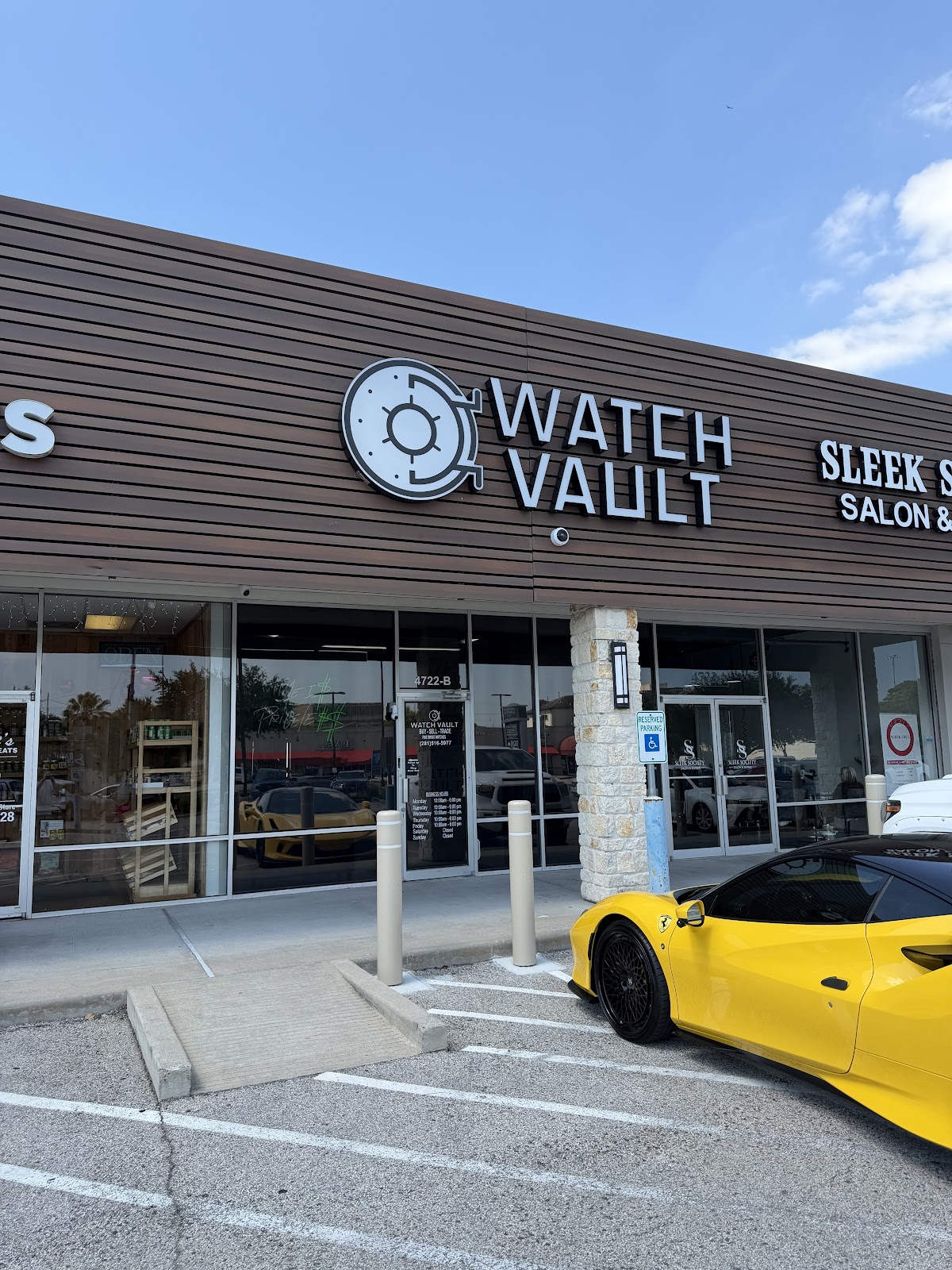
Watch Vault
Afton Oaks / River Oaks Area, Houston, TX
exotic & classic service in Houston

Secrète Fine Jewelry
Northwest Washington, Washington, DC
Upscale jeweler showcasing an in-house designer, an estate collection, fine watches & Judaica.
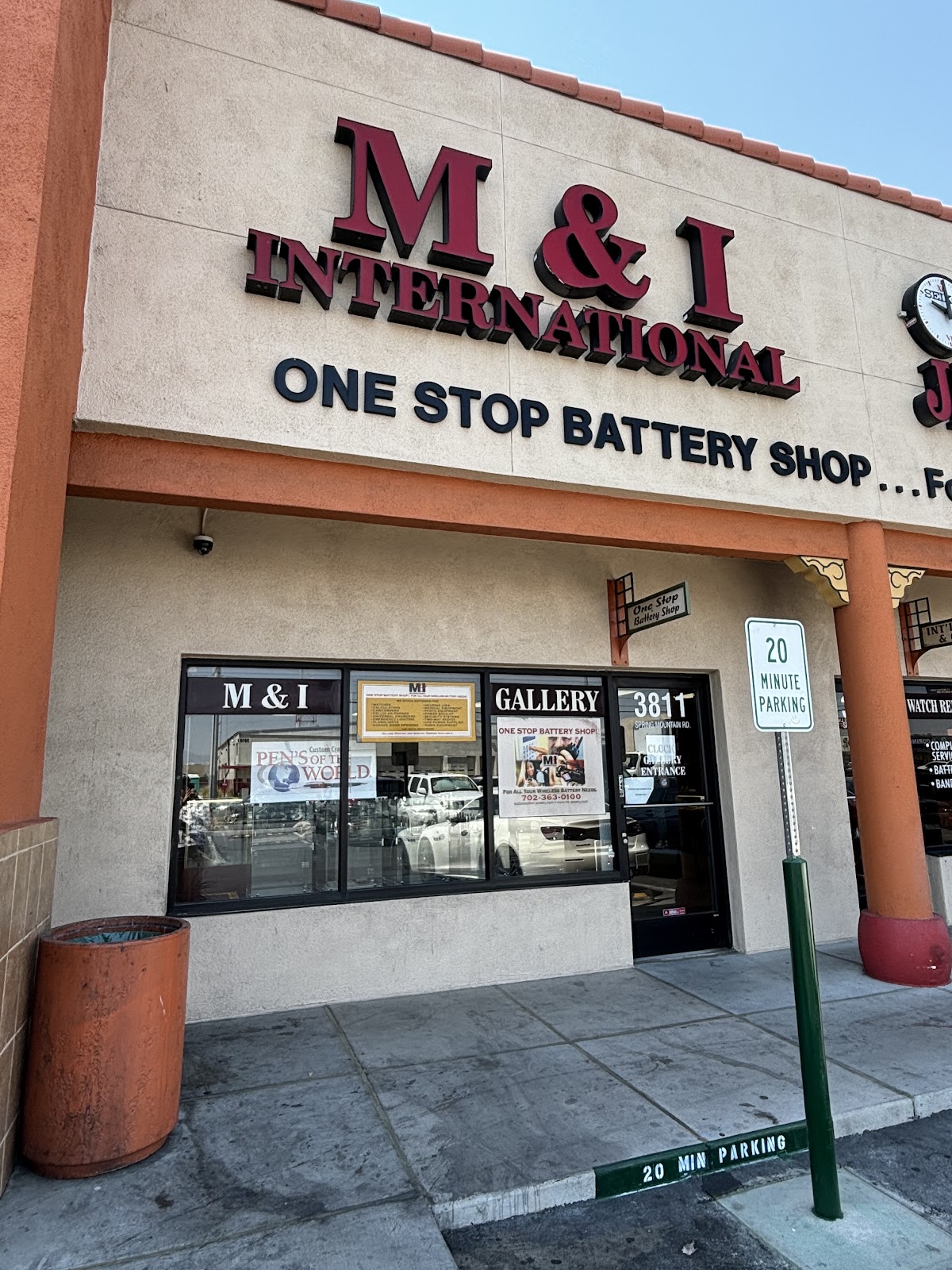
M & I International
Las Vegas, NV
Family-owned showroom providing classic & custom jewelry & watches, plus repair services.