The Captain Cook is Rado's diving watch, introduced in 1962 and made until 1968. Rado describes a pivoting anchor on the original that signals when servicing is due. The line returned in 2017 as a heritage reissue, and the High-Tech Ceramic models arrived in 2021. A modern ceramic Captain Cook is a 43 mm diver rated to 300 metres, so the reference matters more than the name when you choose a watchmaker.
The 1962 original
Rado introduced the Captain Cook in 1962 as its first diving watch. Rado describes a pivoting anchor on the original that signals when servicing is due.
Rado's own history places the Captain Cook at the start of its diving story. When you compare a modern example with the original, use the original's proportions and bezel as the reference, and check the reference number to see which version you have.
The original was produced through 1968. Its vintage-inspired look is the reference that the 2017 and 2021 watches work from, and the modern versions trace their look back to it.
A vintage Captain Cook needs a different plan from a modern one. Vintage cases, dials and movements call for a shop that works on older watches and will keep original parts. Ask what the shop plans to keep and what it will replace before you approve any work.
The 2017 reissue and the 2021 ceramic
The 2017 heritage reissue already used a ceramic bezel insert, but its case was not the later high-tech ceramic construction. The High-Tech Ceramic Captain Cook arrived in 2021, redesigning the original icon with a monobloc ceramic case.
The step from the 2017 reissue to the 2021 ceramic case is the change to examine closely if you are buying. The two watches share a name and a general design, but the case construction and material differ, so compare the case, bezel and caseback against the reference rather than the photographs alone.
The original High-Tech Ceramic versions measure 43 mm across and 14.6 mm thick, with a box-shaped sapphire crystal. Rado rates them to 300 metres, or 30 bar, and the caseback is an exhibition design that shows the movement.
The references include R32127152, R32127156, R32127162 and R32128202. Not every ceramic Captain Cook uses the same movement, since some versions use the R734 and others use the R763 or R808. Check the reference rather than relying on the family name.
The R734 movement and what it means for service
The R734 is Rado's own caliber designation for the automatic movement in the original High-Tech Ceramic versions. It has 25 jewels, beats at 3 Hz (21,600 vibrations an hour) and has an 80-hour power reserve. It shows hours, minutes and seconds, with no date.
A visible movement adds to the service plan. Ask the shop how it will clean and check the openworked plate without marking it, and whether it will show you the timing result on the bench before it closes the case.
The hairspring is Nivachron, which Rado describes as resistant to magnetic fields. Rado specifies five-position testing, but its product page doesn't publish a daily accuracy tolerance or claim COSC certification. A watchmaker should judge the result against the timing measured on the bench, not a figure taken from a catalogue.
The movement is openworked and visible through the tinted sapphire dial and the exhibition caseback. A service is partly about how that movement looks afterward, so ask the shop to clean the visible surfaces without disturbing the decoration.
Servicing a Captain Cook
Use a Rado Service Center for a warranty repair or any work that needs the brand's records. Rado recommends a full service every five to seven years, and its partner work carries a separate two-year service warranty.
Ask the shop to test the watch in more than one crown position after the seals are replaced, and to write the readings on the invoice. A written record is useful evidence if the watch leaks later, and it is far easier to get before the work than after it.
At 300 metres, the seals are the most important part of the job. Ask for the gaskets to be replaced whenever the case is opened, and ask for a pressure test to the rated depth afterward. A quote that doesn't mention the crown and caseback gaskets is incomplete.
The bezel and bracelet are the other common issues. Check the bezel action after service and the bracelet fit. Ask whether the shop will refinish the case or replace worn parts, and keep the original bracelet links and pins if you want to protect the watch's value.
Buying a pre-owned Captain Cook
Confirm the reference against the caseback and the paperwork, then compare the case size, case material and water resistance with the listing. A 43 mm ceramic diver rated to 300 metres is a different watch from an older steel reissue or a vintage original, and the price should reflect that.
Ask the seller directly whether the watch has been immersed, and whether it was tested after its last case opening. A diver that has been in salt water without a rinse, or that was opened without a seal test, carries a different risk from one serviced on schedule. Write down the answer.
Look at the bezel. The insert should turn with clear, positive detent action, and the numerals should be clean. Ask for photos of the insert and the crystal edge, since a damaged crystal or insert is worth pricing into the offer.
Ask for the watch's rate and seal history, not just a timing claim. Rado doesn't publish a daily tolerance for the R734, so a written rate from an independent gives you something to measure the seller's claim against.
What to check on a Captain Cook
- Experience with R734 movements and the openworked display
- Pressure testing to 300 metres after any case opening
- Respect for original parts on a 1962 original
- Clear reference checks, since R763 and R808 versions also carry the Captain Cook name
Common questions
When was the Captain Cook introduced?
Rado introduced it in 1962 as its first diving watch. The original was produced through 1968.
When did the Captain Cook come back?
The collection returned in 2017, and High-Tech Ceramic versions followed in 2021.
How water resistant is the High-Tech Ceramic Captain Cook?
Rado rates the original High-Tech Ceramic versions to 300 metres, or 30 bar.
What movement is in the Captain Cook High-Tech Ceramic?
The R734 in the original versions, a Rado caliber with 25 jewels, a 3 Hz beat and an 80-hour reserve. Some versions use the R763 or R808 instead.
Does the R734 show a date?
No. According to Rado's movement specifications, the R734 shows hours, minutes and seconds without a date.
Find a Rado specialist
Captain Cook owners use Rado specialists for servicing, authentication and restoration.
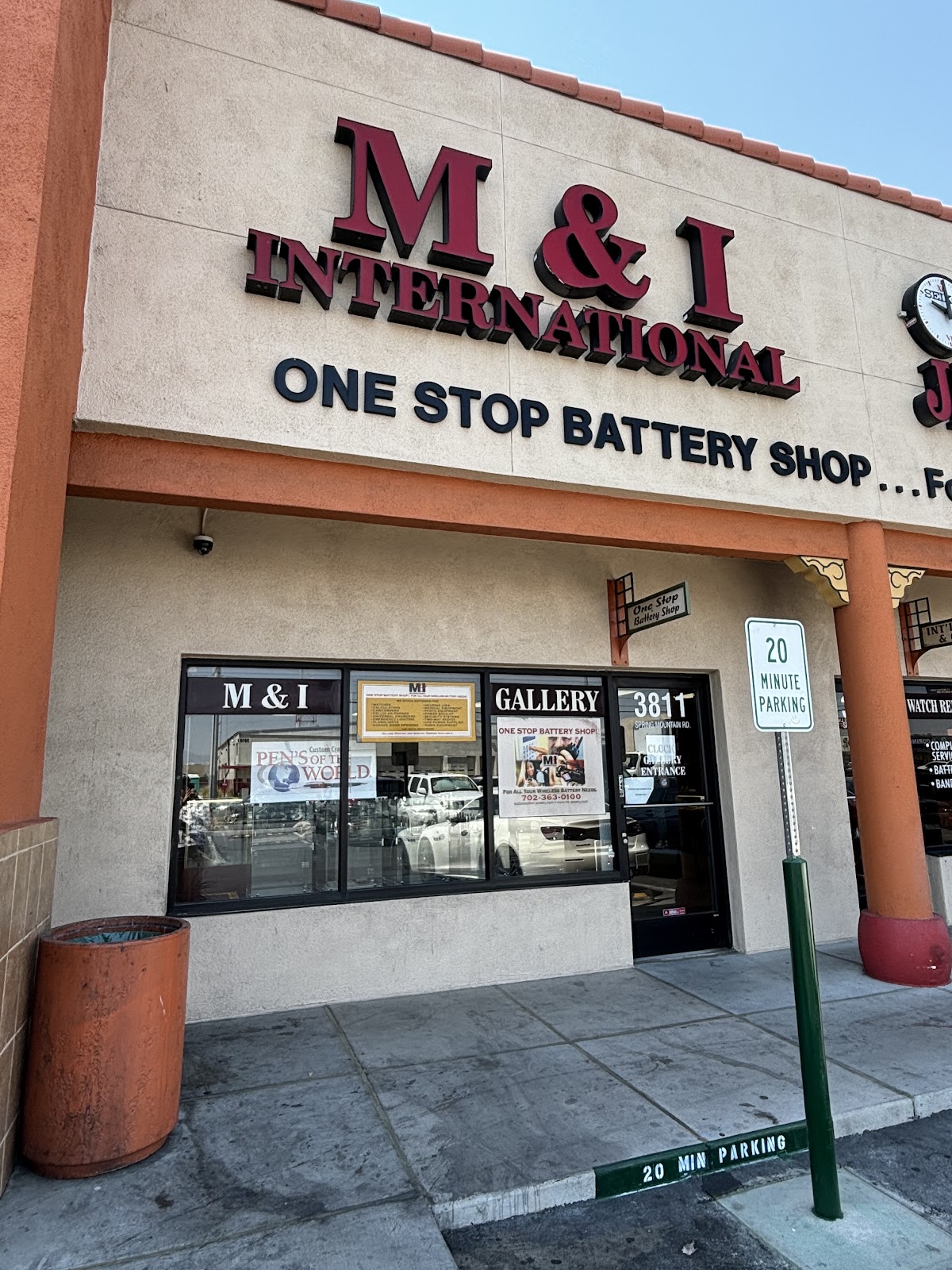
M & I International
Las Vegas, NV
Family-owned showroom providing classic & custom jewelry & watches, plus repair services.

Afram Jewelers
Northwest Washington, Washington, DC
Family-owned fixture providing diamond rings, watches & estate jewelry, plus repairs & appraisals.

Watches Etc
Wellesley Square, Boston, MA
exotic & classic service in Boston