Ulysse Nardin built its reputation on marine chronometers, the precision instruments that navies and observatories used to keep time at sea. The Marine collection carries that history onto the wrist, with a power-reserve indicator and small seconds laid out in the navigational style. For an owner, the important questions are which movement sits inside, how the power reserve is serviced, and whether the watch is an early example or a later manufacture piece.
The chronometer heritage behind the name
Ulysse Nardin set up his workshop in Le Locle in 1846, and the brand's own heritage account says he began making high-precision marine deck chronometers in the middle of the nineteenth century. The house moved to Rue du Jardin in 1865, which is still its home. Its history records early gold medals for chronometry, and a Paris Universal Exhibition award in 1889 to Paul-David Nardin, the founder's son, who expanded the chronometer work.
The brand states that by the centenary in 1946, 77 percent of the marine chronometers awarded by the Neuchâtel Observatory over that period came from its workshop. That is a claim made by the company, so treat it as its own account of its record rather than an independent figure. What matters for the Marine collection is the design language: a clean dial, a reserve indicator and a sense that the watch was built to be read in rough conditions.
The Marine family and its movements
The Marine Chronometer 1846 is the foundation of the modern collection. Its characteristic layout places the power-reserve indicator at 12 o'clock and the small seconds at 6 o'clock. Early examples used movements sourced from ETA, while the Marine Chronometer Manufacture introduced Ulysse Nardin's own UN-118 movement. Check which of these your watch uses, because the service route depends on it.
Ulysse Nardin now presents the Marine and the Diver as separate collections, although they share a heritage. The Marine Torpilleur is a later branch of the Marine family, named for the torpedo boats that the company's precision instruments were associated with. Its models include a tourbillon, and the family has expanded to more complications over time. For each, the reference and the movement tell you more than the name alone.
Servicing a Marine chronometer-style watch
A Marine service should cover the movement, the power-reserve mechanism, the gaskets and the crown, followed by a pressure test if the watch is water resistant. The reserve indicator is a visible mechanism that needs the same care as the going train. Ask the watchmaker to check that the indicator reads accurately before and after the service, because a reserve that does not match the actual power is a common sign of wear or a poor adjustment.
Ask the shop to test the power reserve at the end of the service, not only the timing. A reserve that runs out sooner than the specification suggests can point to a worn mainspring or barrel, and a timing machine alone will not reveal that fault. A watchmaker who checks the reserve against a known reading is doing the job the indicator is there to support.
For the in-house UN-118 and later calibers, Ulysse Nardin's service center is the lowest-risk choice for warranty work and for parts. An independent with experience in manufacture calibers can do good work out of warranty, but confirm that they can source parts and that they will keep the original components. Early ETA-based examples are often easier for a general Swiss watchmaker, provided the reserve mechanism is handled with care.
Buying a pre-owned Marine
Start with the reference and the movement, since the same case design can house different calibers across generations. Look for papers, a serial number and a caseback that matches the paperwork. Check the reserve indicator at 12 o'clock for smooth movement and an accurate reading, and check the small seconds for a steady sweep. A Marine with a sticky reserve or an erratic seconds hand may need more than a simple clean.
Ask for a pressure test if the watch is a diver or has a water-resistance rating, and check the bracelet or strap for wear. Ask the seller how long the watch has been out of service, since a long gap can mean dried lubricant and tired seals. Get the inspection written down, so the condition is clear before the sale is agreed.
Check the dial and hands in good light, because a repaint or a replacement often shows at the markers and at the edges of the hands. Compare the lume, the printing and the finish with the listing photographs. If anything looks different, ask whether the dial and hands are original and whether the watch has been opened for that reason.
Originality and day-to-day care
Copies of Ulysse Nardin watches exist, so a seller who cannot show papers or a clear serial should be treated with caution. Compare the dial printing and the hands with a known reference, and be wary of a watch with a replacement dial or hands that do not match the original design. A caseback that has been opened by an unknown party is worth investigating before you commit.
Marine models often come with rubber straps, and sun, salt water and sunscreen wear them out. Replace the strap before it cracks at the lugs, and keep the original strap and buckle with the watch. Avoid pressing the crown or pushers underwater, and ask the shop to keep a record of every part replaced, so the watch's originality is easy to show later.
Keep the caseback and the sealing surfaces clean and dry, and rinse the watch after a day at sea. Salt water and sand are the most common causes of gasket wear, and a dried-out gasket is cheap to replace compared with the cost of a water-ingress repair. Ask the shop to check the gasket each time the case is opened.
What to check on a Ulysse Nardin Marine
- Experience with reserve indicators and with the specific movement in your watch
- A pressure test after any service on a water-resistant Marine
- Papers and a serial number that match the caseback before you pay
Common questions
What is the Ulysse Nardin Marine collection?
It is the brand's nautical collection, drawing on the marine chronometers the house made from the nineteenth century. Its design includes a power-reserve indicator at 12 o'clock and small seconds at 6 o'clock.
Is every Marine movement made in-house?
No. Early Marine Chronometer models used movements sourced from ETA, while later examples use Ulysse Nardin's own UN-118 from the Marine Chronometer Manufacture.
Can an independent service a Marine?
Yes, for a watch out of warranty, if the watchmaker can source parts and handle the power-reserve mechanism carefully. Use the brand's service center for warranty work.
What should I check first on a pre-owned Marine?
Start with the reference, the movement and the papers. Then check the power-reserve indicator, the seconds hand and the seals, and ask for a pressure test if the watch is water resistant.
Find a Ulysse Nardin specialist
Ulysse Nardin Marine owners use Ulysse Nardin specialists for servicing, authentication and restoration.
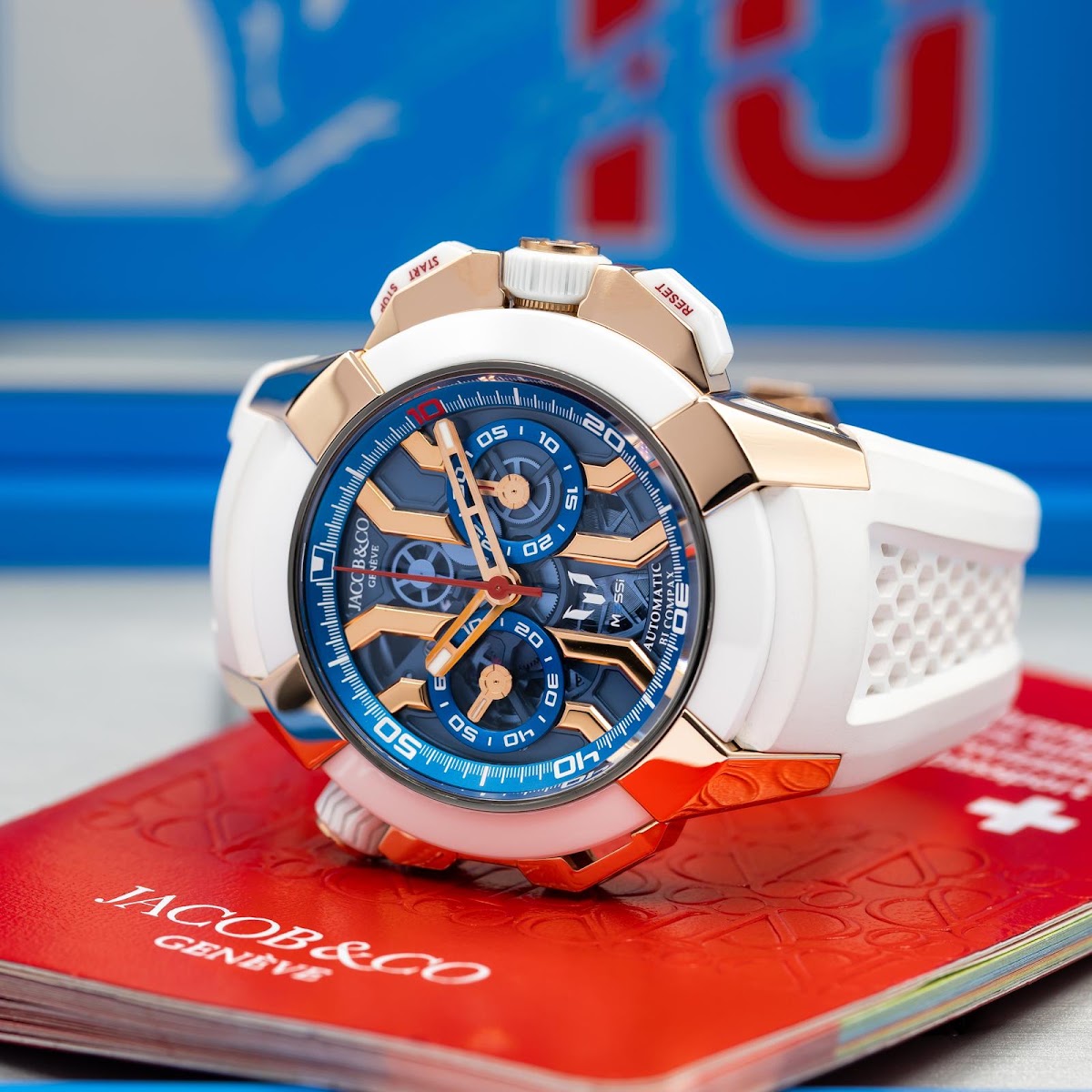
Watch Grande
Palm Beach Lakes, Palm Beach, FL
exotic & classic service in Palm Beach
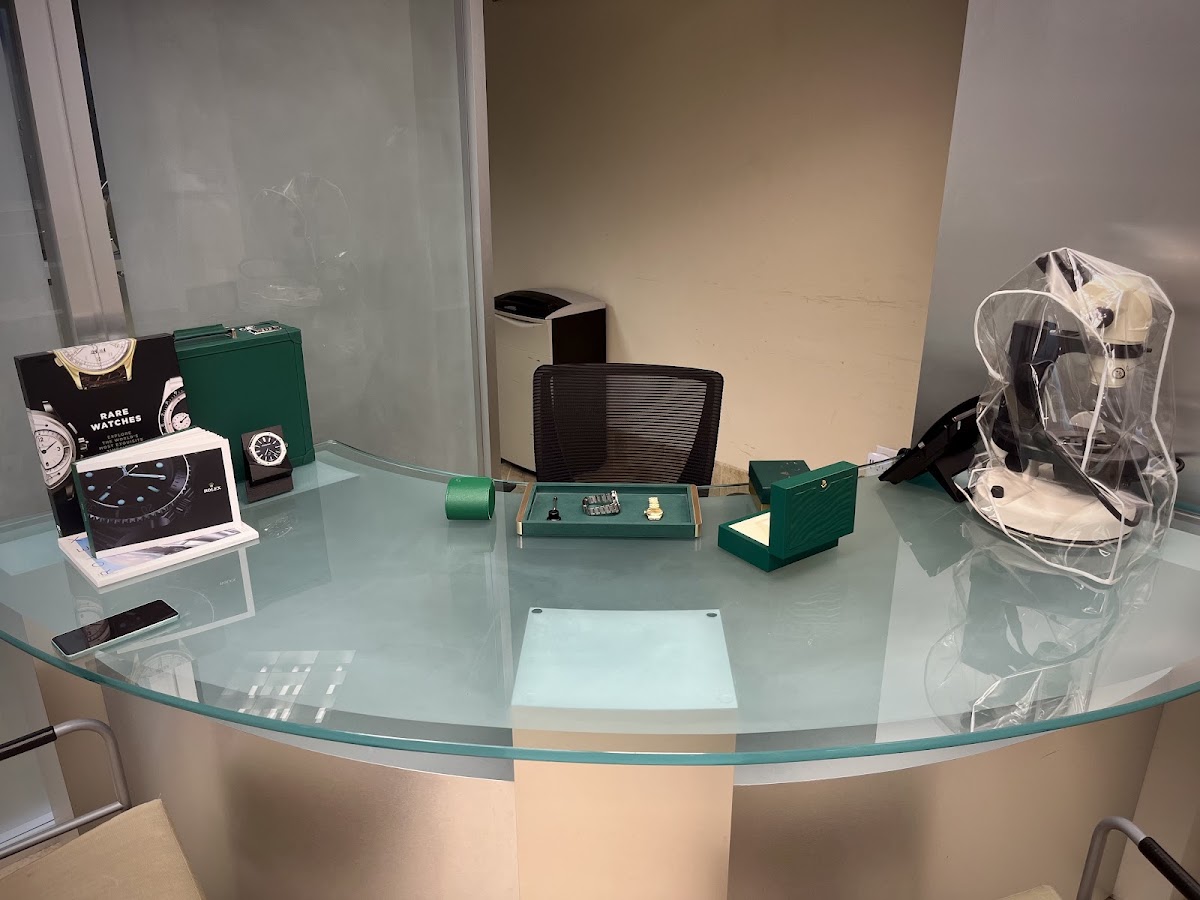
Arev & Co.
Showplace Square, San Francisco, CA
exotic & classic service in San Francisco
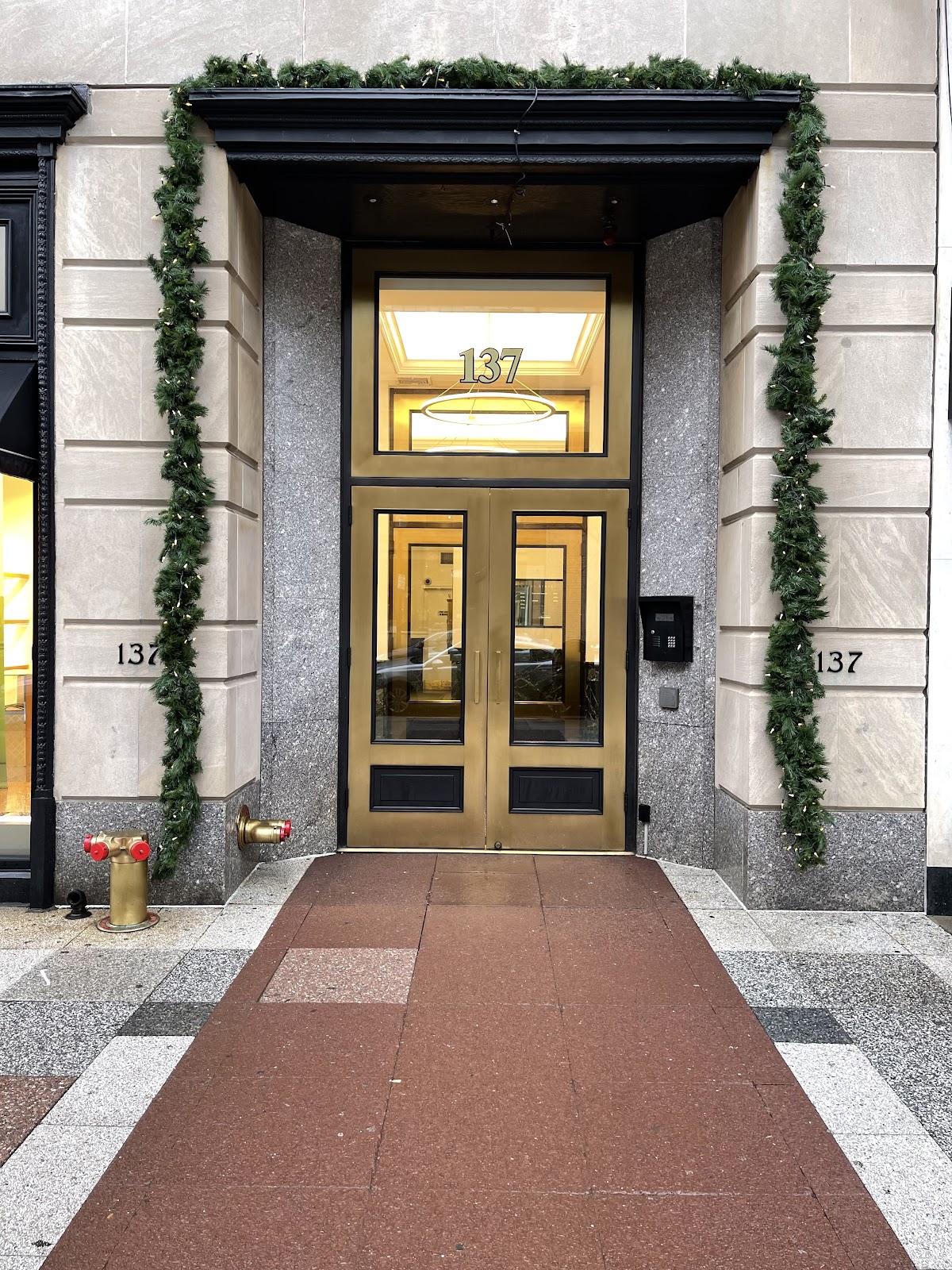
European Watch Company
Back Bay, Boston, MA
Resource for high-end new, pre-owned & vintage watches, with trade-in & restoration services.