El Primero is a movement family first, and a collection name second. Zenith unveiled it in January 1969 as a high-frequency automatic chronograph, beating five times a second, and it has been the engine behind a long run of watches since. Chronomaster is the collection most owners mean when they talk about El Primero today. Buyers and owners need to know which caliber they have, because the classic 400 and the newer 3600 call for different service and different expectations.
The 1969 movement and why its frequency mattered
Zenith's own timeline dates the El Primero's unveiling to January 10, 1969. The brand describes it as a high-frequency mechanical chronograph with integrated automatic winding, and its specification is 36,000 vibrations per hour, or 5 Hz. The movement also used a column wheel to control the chronograph functions. The high beat rate gave the chronograph finer resolution than the slower calibers of its day, and that is still the main reason collectors value the movement.
The quartz crisis changed everything for the movement. During the quartz crisis, Zenith's owner decided to stop mechanical movement production, and machines and tools were scrapped or stored. Charles Vermot, a Zenith watchmaker, preserved the tools, drawings and production records by classifying and labelling them. Production restarted in 1984, and that continuity is the reason the caliber can be serviced and supported today.
Caliber 400, caliber 3600 and the Chronomaster
The revived caliber 400 keeps the traditional layout, with 5 Hz beat, a reserve of around 50 hours and the 30-minute and 12-hour counters that many chronograph fans expect. It powers many of the heritage Chronomaster models and reissues, and it is the caliber that most owners and watchmakers encounter first.
The Chronomaster Sport, announced on January 22, 2021, moved the collection to the El Primero 3600. It keeps the 5 Hz beat but extends the reserve to around 60 hours and puts a 10-second revolution on the central chronograph hand. Its 41 mm steel case has a black ceramic bezel scaled in tenths of a second. The 3600 is therefore not a bezel change on the 400: it is a different movement with its own layout, and a service plan should name the caliber from the start.
Servicing a high-frequency chronograph
A high-beat movement puts more stress on its pivots, pallets and escapement than a slower caliber does, so the watchmaker must set the escapement and balance with care. A service should include cleaning and lubrication of the going train and the chronograph gear, a check of the column wheel and its levers, and a timing test in several positions. Ask the watchmaker how they will check the chronograph start, stop and reset after reassembly, since those functions are where most complaints begin.
Ask for the chronograph to be timed with the chronograph running, not only the going train. A high-beat movement can show an error that appears only when the chronograph engages, so a timing report that includes that state is worth requesting. Compare the readings with the figures the watchmaker gives for the caliber before you accept the work.
Zenith's service network is the right choice for warranty work and for the newer 3600. An independent who regularly works on high-beat chronographs can handle a caliber 400 out of warranty, but confirm they have adjusted a high-frequency movement before. Ask for a timing report before and after the service, because the difference will show whether the work was done well.
Buying a pre-owned El Primero
Start by identifying the caliber. Check the reference, the papers and the movement if it can be seen, since a Chronomaster can house more than one caliber over its history. Test the chronograph functions carefully, looking for a start and stop that responds without hesitation, a reset that returns the hands to zero, and counters that align after a run. A chronograph that stutters or fails to reset needs a full look before the purchase.
Ask the seller whether the movement has been replaced. A movement swap is a common way for a watch's identity to change without anyone noticing, and it affects both the value and the service route. A seller who can show the original movement number on the papers, or who will allow an inspection of the movement, is easier to trust.
Be cautious with a watch that has a Chronomaster or El Primero dial on a case that does not match, since frankenwatches and replacement dials are common in the chronograph market. Ask for the case and dial to be checked against the reference and for any refinishing to be noted. Insist on an inspection that opens the case, and get the results in writing.
Originality and care for a sporty chronograph
Chronograph pushers take hard use, and a sporty Chronomaster lives on a wrist more than a dress watch does. Check that the pushers sit flush and that the crown seals properly, and replace the strap or bracelet before the wear shows at the lugs. Keep the original strap, bracelet and any tools with the watch, since missing parts affect the value.
Refinishing a chronograph case softens its edges and can change the look of the dial rings and the bezel, so ask the shop to describe any polishing before it starts. A chronograph with its original dial, hands and movement, and a clear service record, is the easiest to value and the easiest to sell. A watch with mixed parts is worth less, and its history will be harder to explain to a future buyer.
Keep the original caseback, the reference label and any service papers with the watch. A chronograph sold with a complete set of papers is simpler to value, and a buyer who asks for those documents is protected against a movement or dial swap. Store the watch dry and away from magnets, and wear it or wind it regularly if it is kept in a box.
What to check on a Zenith El Primero and Chronomaster
- A watchmaker who has adjusted a high-frequency chronograph before
- A clear answer on which caliber is in the watch and which parts it will use
- A timing report before and after service, plus a check of all chronograph functions
Common questions
When was the El Primero unveiled?
Zenith unveiled the El Primero on January 10, 1969. It was a high-frequency automatic chronograph beating at 36,000 vibrations per hour.
What is the difference between caliber 400 and caliber 3600?
Both run at 5 Hz, but the 3600 has a longer reserve of around 60 hours and a central chronograph hand that makes one revolution every 10 seconds. The 400 has a reserve of around 50 hours.
Can an independent service an El Primero?
Yes, for a watch out of warranty, if the watchmaker has adjusted high-frequency chronographs before. Zenith's service center is the safest choice for warranty and newer calibers.
What should I check on a pre-owned Chronomaster?
Confirm the caliber and reference against the papers, then test the start, stop and reset functions and check for dial or case replacements that do not match.
Find a Zenith specialist
Zenith El Primero and Chronomaster owners use Zenith specialists for servicing, authentication and restoration.
European Watch Company
Back Bay, Boston, MA
Resource for high-end new, pre-owned & vintage watches, with trade-in & restoration services.
Watch Vault
Afton Oaks / River Oaks Area, Houston, TX
exotic & classic service in Houston
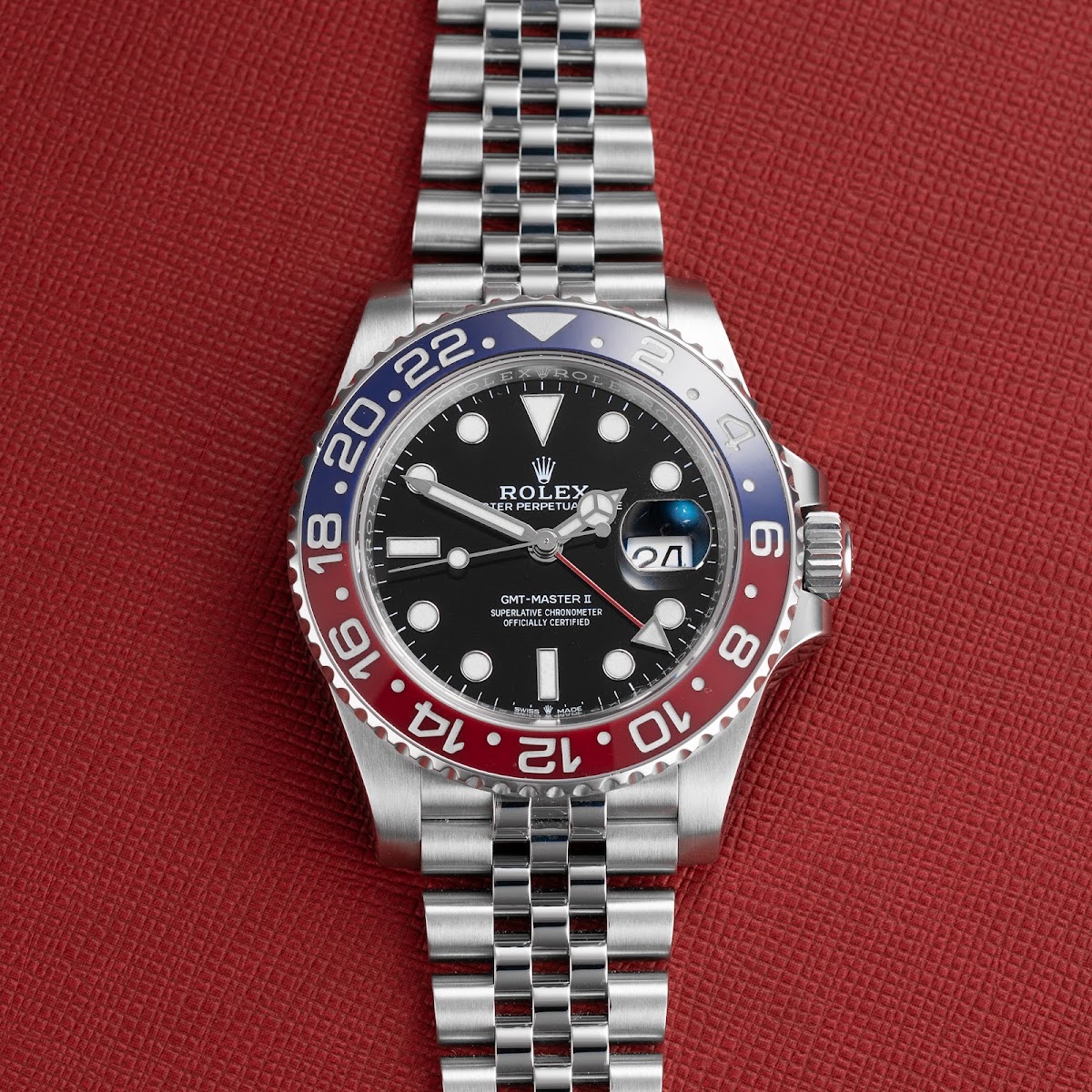
Crescent Watch Guys
Northside, Houston, TX
exotic & classic service in Houston