The Chrono Master is the mechanical precision line Citizen introduced in October 1967, and it is a vintage Citizen that collectors research closely. The name came from a rule. Swiss restrictions kept the company from using the word chronometer on its products, so it chose Chrono Master instead. A vintage example is now a service and authenticity question as much as a price question, and the movement, dial and caseback all have to match the version you are buying.
Where the Chrono Master came from
Citizen's archive dates the Chrono Master to October 1967. Restrictions connected with Switzerland stopped the company from using 'chronometer' as a product name, so it chose Chrono Master for its high-grade mechanical watches. An eagle emblem on the dial and caseback set the range apart from the rest of the Citizen catalogue. That emblem is a useful first check when a listing describes a Chrono Master.
The line was not a single movement. It included hand-wound watches on the 0920 and 1870 calibers and automatics on the 5240, 5250, 5440 and 5450 movements, in day/date and date-only versions. Higher grades called Special and Superior Chronometer Special followed, and collector movement tables place the hand-wound 0930 with those variants from 1968.
Collectors place the automatic range from 1967 to about 1972. The brand's 1967 date describes the line, not every watch made under the name. A watch has to be dated from its own serial number and movement, so a 1967 date on a listing is a claim to check rather than a fact to accept.
Servicing a vintage Chrono Master movement
Vintage movements need vintage-minded work. Expect a watchmaker to check the balance, mainspring, escapement and any calendar mechanism, and to settle the parts question before starting. Ask for an estimate that lists the movement service, any case and dial work, and whether the watchmaker has worked on mid-century Citizen calibers before.
Parts are the constraint. Vintage Citizen calibers are not supported by a modern service network, so a shop may have to source parts secondhand or fit one that is close but not identical. Ask how the shop will handle a missing or worn part before it starts, and whether every part it fits will be recorded on the paperwork.
Water resistance is the other limit. On a vintage watch the gaskets, crystal and crown tube are often original or long past their best. Ask for a pressure test before you rely on the watch near water, and expect the shop to say plainly when a seal cannot be restored to its original rating.
Checking a pre-owned Chrono Master
Identify the version first. A hand-wound watch on the 0920 is a different watch from a hand-wound 1870 with date, and both differ from an automatic on the 5240 or 5250. Collector movement tables list the movement and jewel count for each version, so check the caseback and the movement against them before you judge the dial. A version that does not match its caseback is a question to resolve before any further checks.
Compare the dial with a documented example of the same reference and grade, not a generic Chrono Master. Look at letter shapes, spacing, alignment and the minute track. Ask for a close photograph of the small printing at the lower edge. A refinished or replaced dial does not prove a watch is fake, but it changes the value, so it has to be disclosed.
The caseback and serial matter too. Collector references describe the first digit of a vintage serial as the year within a decade and the next two digits as the month, but only if the rest of the watch supports that date. Ask for a complete caseback photograph rather than the seller's transcription. A swapped caseback is possible, so the case and movement have to tell the same story.
Originality, condition and polish
The eagle is a key identifier. Most examples have a gold-colored medallion, but collectors have documented uncommon variants, so the absence of gold is not proof on its own. Check the medallion's attachment and whether it has been disturbed or re-fixed.
Heavy refinishing removes metal and disguises wear. Ask for side views and the lug undersides, where polishing leaves a different edge from the factory finish. Crown markings vary by version, so judge the crown against the exact reference rather than a general rule.
Mechanical condition needs a movement photograph and a confirmed service record. Check that winding and setting work, and that the calendar, if the version has one, changes correctly. Before you pay, ask a watchmaker who services vintage calibers whether they will work on that exact movement.
Handling and records for a vintage watch
A vintage mechanical watch rewards careful handling. Wind it gently and keep it away from magnets and heat. Vintage cases and crowns are more fragile than modern equivalents, so a crown that feels loose should be checked before it is pulled out or wound hard.
Keep the documentation with the watch. Photographs of the dial, caseback and movement taken at each service help the next owner, and a service report that names the parts fitted gives a fragile watch a known history. Ask for these records before you pay, and treat missing paperwork as a reason to ask more questions.
Expect a vintage watch to need more time at the bench than a modern one. A thorough service can take longer, and a shop that works on vintage Citizen movements should be able to explain each step. Ask how long the work will take and what happens if a part turns out to be unavailable, so you have a plan before any money changes hands.
What to check on a Citizen Chrono Master
- Experience with 1960s Citizen mechanical calibers and their parts
- A plan for sourcing or fitting any replacement part, written on the estimate
- A pressure test with an honest statement on the case's water resistance
- Clear dating of the movement and caseback, supported by photographs
Common questions
When did the Citizen Chrono Master launch?
Citizen's archive dates the line to October 1967. Collector sources place the automatic range from 1967 to about 1972, and a single watch has to be dated from its own serial and movement.
Why is it called Chrono Master?
Swiss restrictions kept Citizen from using the word chronometer as a product name at the time, so the company used Chrono Master for its high-grade mechanical watches.
Is a refinished dial a fake?
Not necessarily. A refinished or replaced dial is a different question from a counterfeit, but both affect the price. Ask the seller what was done, and compare the dial with a documented example of the same reference.
Can a modern watchmaker service a vintage Chrono Master?
Often, if they have experience with vintage calibers. Parts are the usual limit, so ask how they would source a part before you agree to the work.
Find a Citizen specialist
Citizen Chrono Master owners use Citizen specialists for servicing, authentication and restoration.
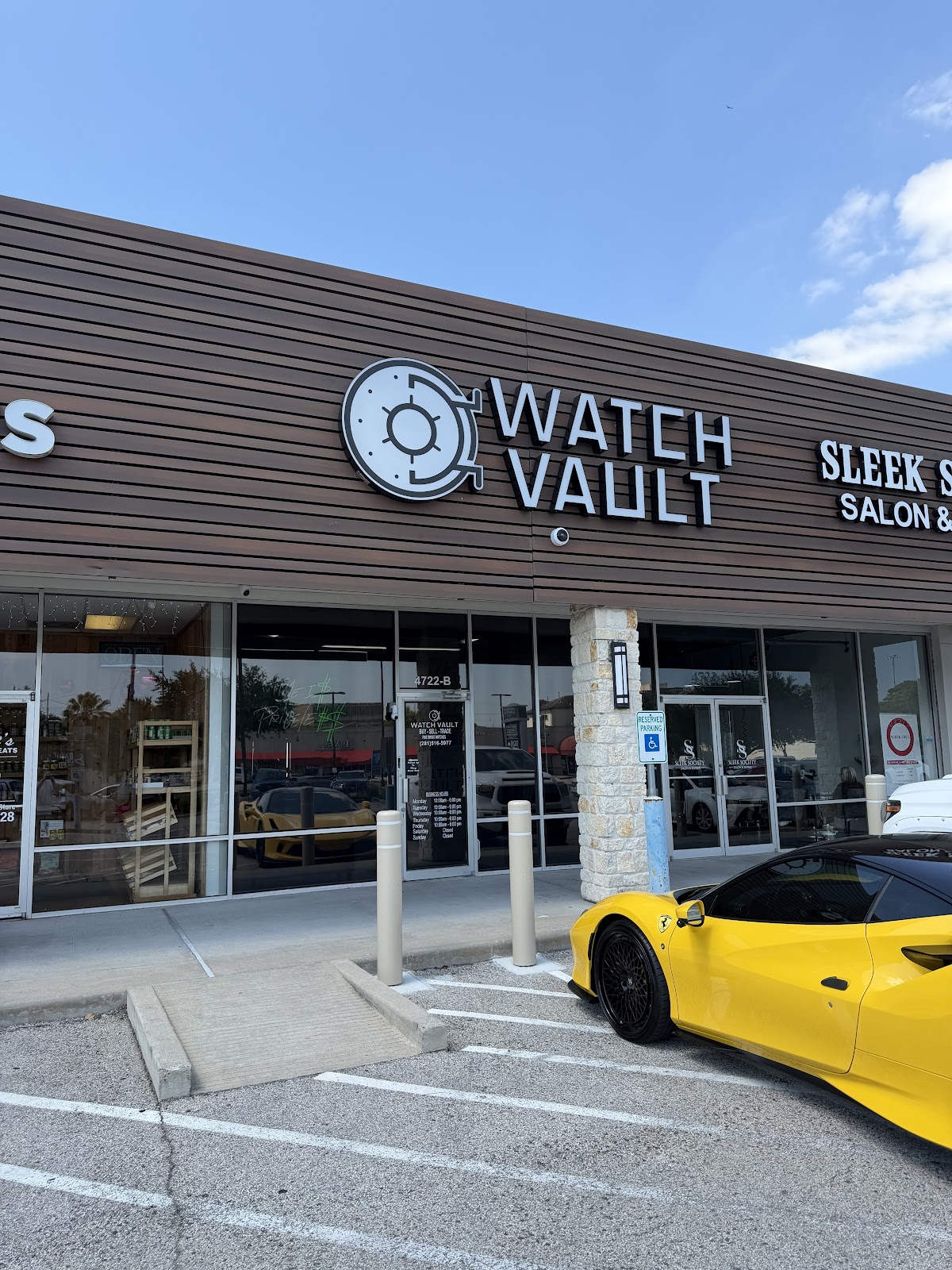
Watch Vault
Afton Oaks / River Oaks Area, Houston, TX
exotic & classic service in Houston
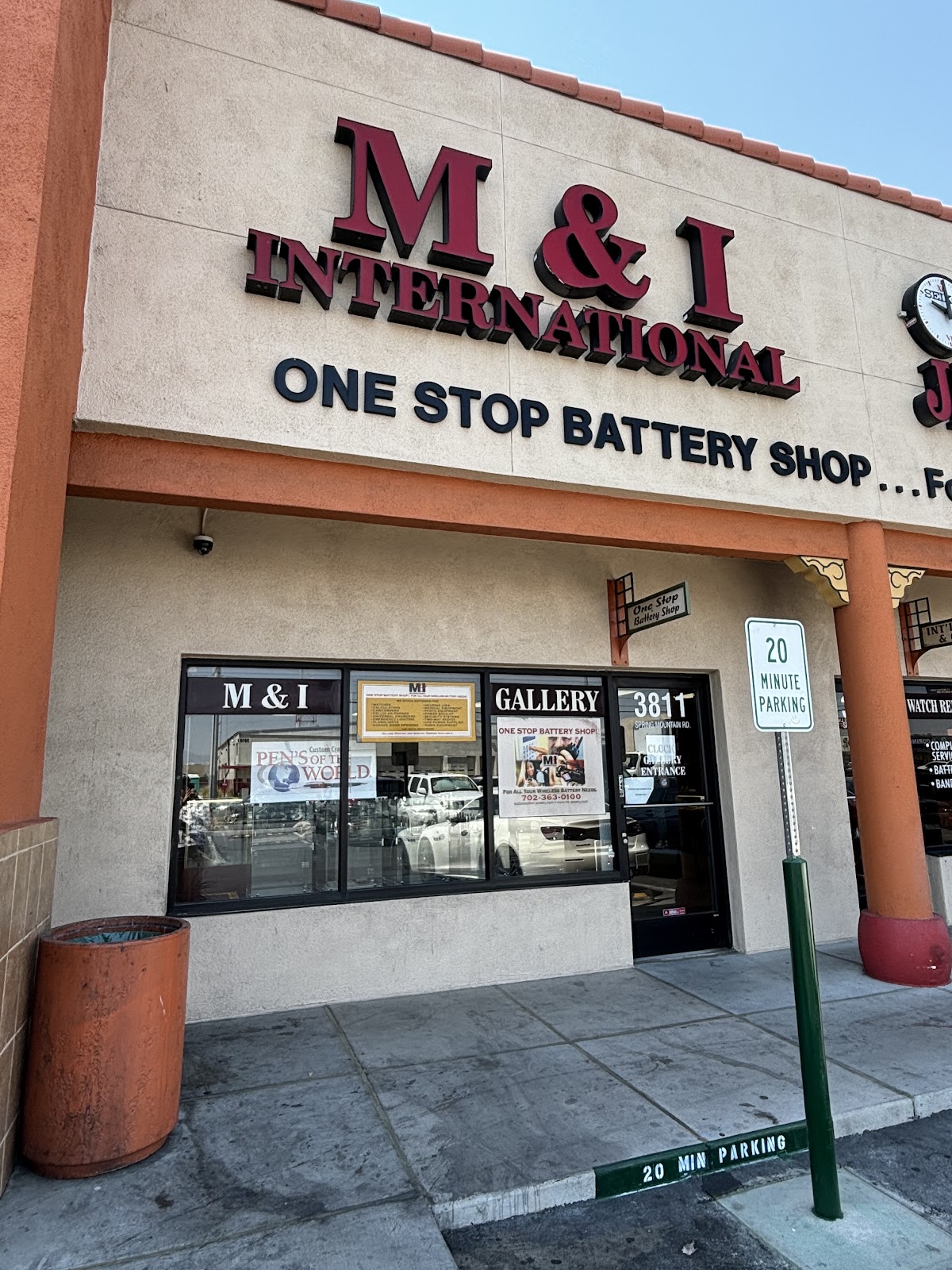
M & I International
Las Vegas, NV
Family-owned showroom providing classic & custom jewelry & watches, plus repair services.
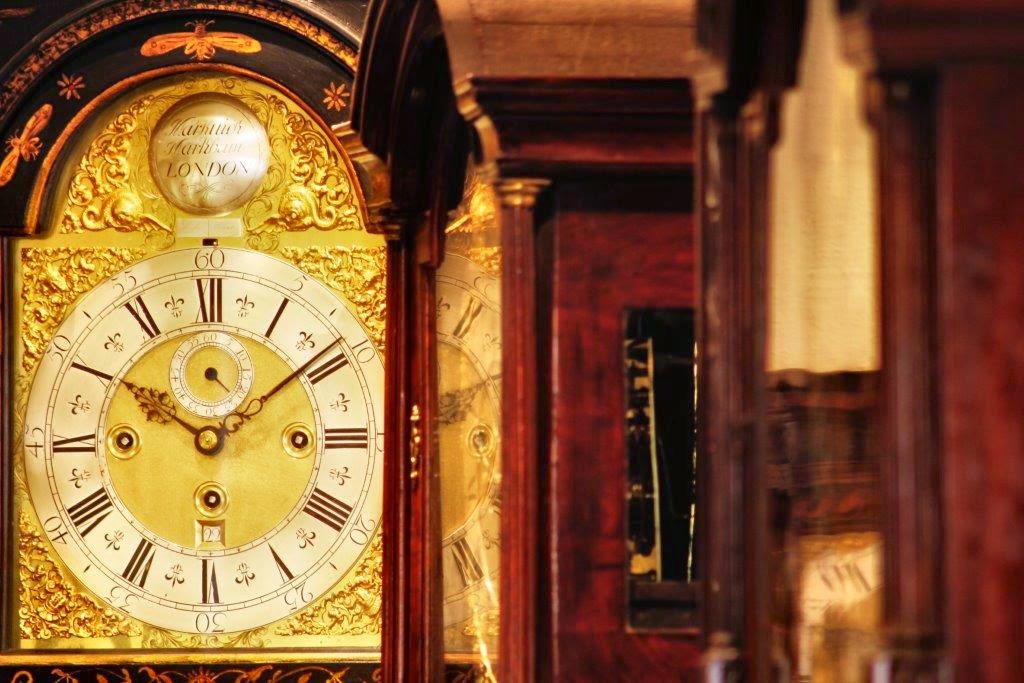
Village Watch Center
Brookline Village, Boston, MA
exotic & classic service in Boston