From Shokosha to Eco-Drive
Citizen's history starts with Kamekichi Yamazaki, who founded the Shokosha Watch Research Institute in 1918 to develop Japanese-made watches. Its first pocket watch was completed in 1924, and the name Citizen was given by Tokyo mayor Shinpei Goto, who hoped the watch would be loved by the public. Citizen Watch Co. was formally established in 1930, and its first wristwatch followed in 1931.
The big technical milestone came in 1976, when Citizen introduced the Crystron Solar Cell, which the company describes as the world's first analog quartz watch with rechargeable solar batteries. That light-powered technology became known as Eco-Drive in the 1990s. The Promaster sports collection dates to 1989, the premium The CITIZEN collection followed in 1995, and the Chronomaster name goes back to a mechanical watch from 1967.
Miyota is the piece of the history that tends to surprise owners. The Miyota factory dates to 1959 and the Miyota brand name to 1980, and the business now sits within Citizen's movement operations, supplying mechanical and quartz movements to other watchmakers. Owning a Citizen therefore tells you very little about the movement inside.
Eco-Drive runs on a rechargeable cell, not a battery
An Eco-Drive doesn't use a disposable cell, so the first service question isn't when to change the battery. Citizen says the rechargeable cell doesn't need routine replacement and is changed only when a diagnosis shows it's needed. Charging comes first. A stopped Eco-Drive is often simply discharged, and the model-specific instructions explain how to charge it properly.
If a watch still won't hold a charge after proper charging, have it diagnosed. Aging lubrication or movement wear can draw more power, so swapping the cell alone may not fix the problem. Never substitute an ordinary watch battery. The cell is specified for the model, so use only the one the brand names.
Eco-Drive's advantage is that it doesn't need a disposable battery, but it does need light. A watch that has sat in a drawer for a long time may need charging before it runs again, and that's normal rather than a fault. Ask the shop how long the watch was stopped, since a discharged cell and a failing one can look the same from the dial side.
Who can service a Citizen?
Quartz and Eco-Drive models are routine work for a good independent. Mechanical models are within reach of an experienced watchmaker who services mechanical watches regularly. The real difference is parts and seals. Ask whether the shop has the correct rechargeable cell for your model, and whether the case can be pressure tested before and after the work.
Citizen's own route is worth knowing. In the United States the brand directs repairs through its Parts and Services page and a repair center in Houston, Texas, and it gives an estimate before any chargeable work. Its listed turnaround is typically 30 to 45 business days after estimate approval and payment, not counting shipping, so plan for a wait. The brand's US warranty terms also ask for water-resistance testing and resealing every two to three years.
Ask the shop to identify the movement by its caliber before they quote, because the parts and the steps can differ between a quartz Eco-Drive and a mechanical model. A quote that doesn't name the caliber is a sign the shop is working from guesswork, and that's worth knowing before you hand over a watch.
Buying a pre-owned Citizen: what to check
Most pre-owned Citizens are simple to assess, and the checks are practical. Ask whether the watch charges, how it has been stored, and whether the rechargeable cell has ever been replaced. Look at the crystal and case for condensation or fogging, since moisture under the crystal is a sign the seals have failed. Ask the seller whether the watch has ever been opened, because a case opened without the right tools can leak later even if it looks fine today.
Check the reference and the movement type. A Promaster or Chronomaster can be a serious tool or collectible watch, and a mechanical model needs a different service plan than a quartz one. Ask for the water-resistance rating and whether the case has been tested recently, because sports models are sold on that number.
Check the bracelet or strap as well. Clasps and links wear, and a loose bracelet can make a watch feel fine on the wrist while hiding wear on the case. A seller who has kept the original bracelet and its links in good order is showing you a watch that was cared for.
Picking a watchmaker for a Citizen
For a simple Eco-Drive, a good independent with quartz experience is the efficient choice. For a mechanical Citizen, or a limited or vintage piece, find someone who has worked on Japanese mechanical watches before. Either way, the written estimate should spell out the cell, the seals and the movement work, so the price doesn't drift once the watch is open.
If the watch is still under warranty, go through the brand first. Keep the receipt and warranty card with the watch's paperwork, and ask the shop to record the model and serial number on the estimate so the work history is clear to anyone who buys the watch later.
The most useful question to ask any shop is what they'll do if the cell won't take a charge. A good answer covers diagnosis first, then the cell, then the seals, with each step priced separately. If the answer is simply to replace the cell and hope, go elsewhere. Ask, too, whether the seals will be tested before the watch goes back, and whether that test is part of the quote or an extra.
What to look for in a Citizen specialist
- Experience diagnosing Eco-Drive charging problems, not just cell swaps
- Access to the correct rechargeable cell for your model
- Pressure testing and resealing on a schedule the brand describes
- Estimates that split cell, seal and movement work
Citizen models
Model-by-model guides to buying, servicing, and what to watch.
The Chrono Master is Citizen's 1967 mechanical precision line, built to an internal standard the company set against period chronometer requirements and collected today for its dials, movements and eagle emblem.
Citizen launched Promaster in 1989 as a professional family for land, sea and air, and its diver models now span Eco-Drive solar quartz and mechanical automatic calibers.
Citizen specialists
Top-rated Citizen near you
Specialists for your brand in your area.
12 Citizen specialists in our directory
Boston, MA
All Citizen in Boston →
Village Watch Center
Brookline Village, Boston, MA
exotic & classic service in Boston
Watertown Watch & Clock Repair
North Waltham, Boston, MA
exotic & classic service in Boston
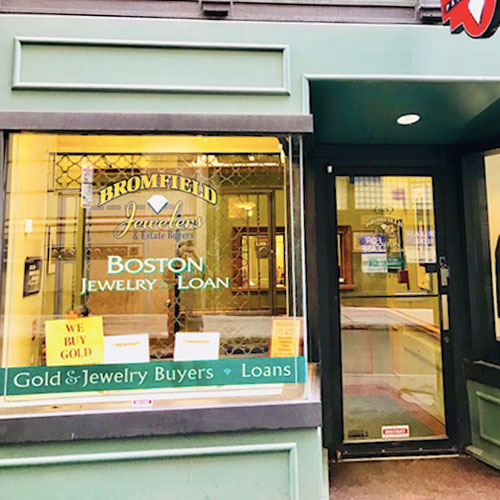
Bromfield Jewelers
Downtown, Boston, MA
This local full-service jeweler offering fine jewelry & repairs also buys coins, gems & more.
Las Vegas, NV
All Citizen in Las Vegas →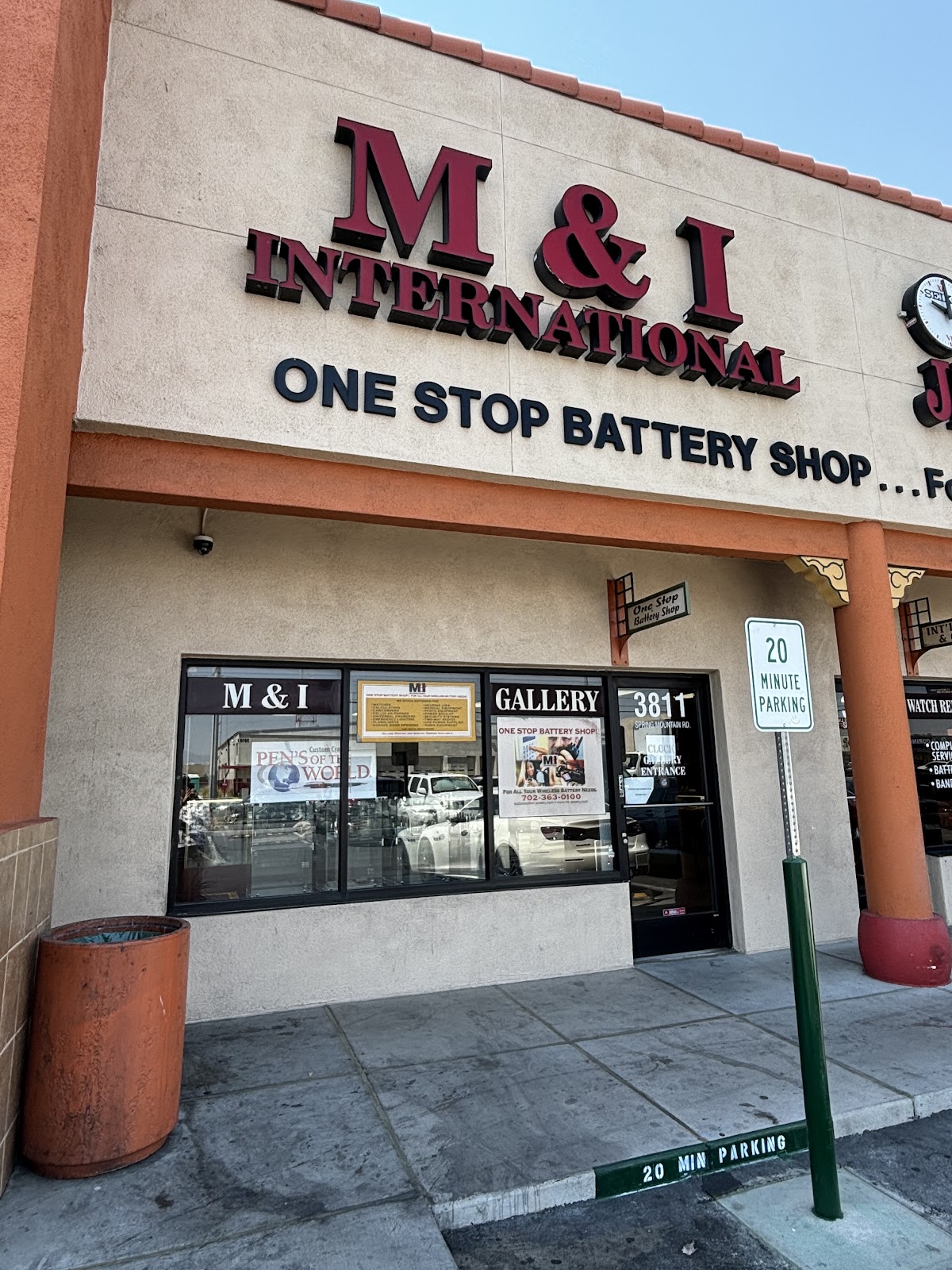
M & I International
Las Vegas, NV
Family-owned showroom providing classic & custom jewelry & watches, plus repair services.
Houston, TX
All Citizen in Houston →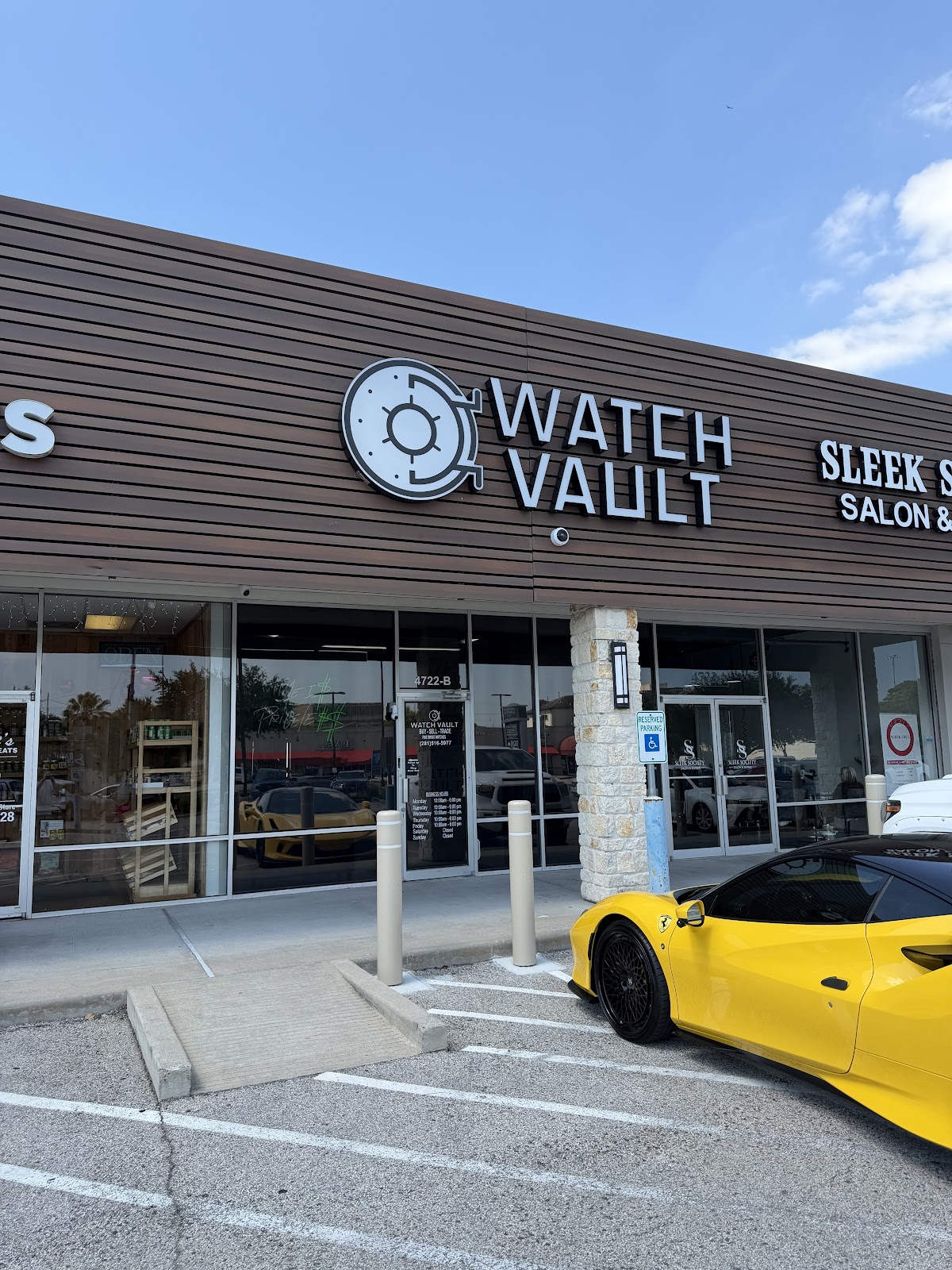
Watch Vault
Afton Oaks / River Oaks Area, Houston, TX
exotic & classic service in Houston
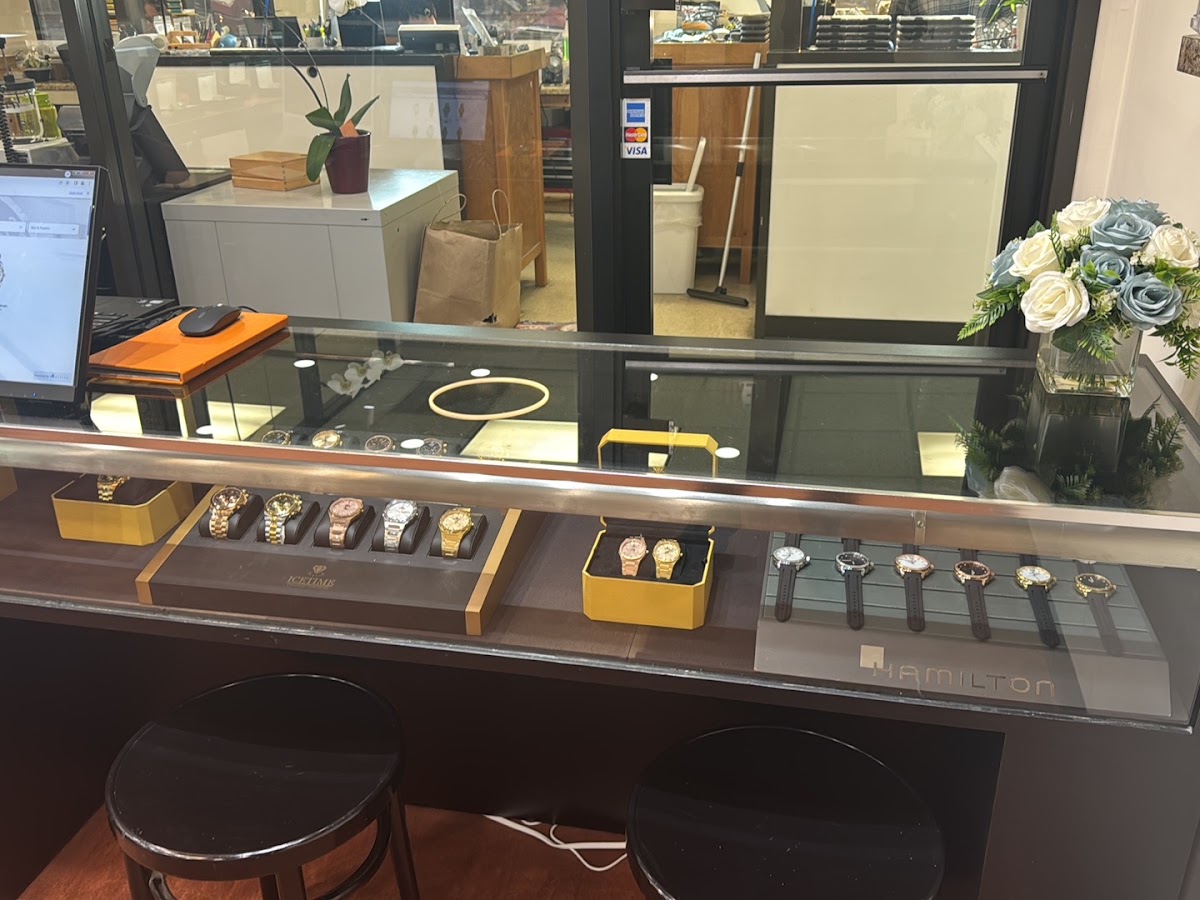
Atelier Associates Service Center
Westside, Houston, TX
exotic & classic service in Houston
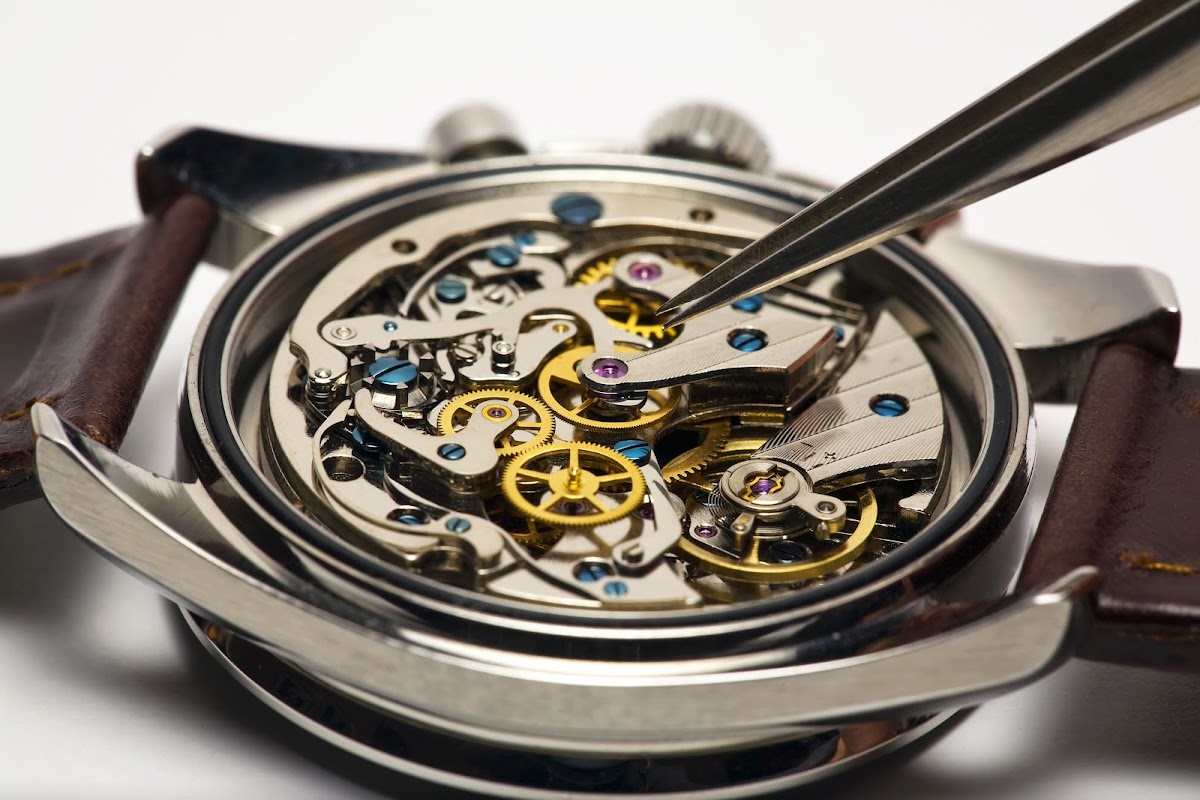
Memorial Watch Repair
Memorial, Houston, TX
exotic & classic service in Houston
New York, NY
All Citizen in New York →Manhattan Watch Service
Diamond District, New York, NY
Family-run Swiss watch servicing off 47th Street
Beverly Hills, CA
All Citizen in Beverly Hills →Feldmar Watch Company
Pico-Robertson, Beverly Hills, CA
Modern and vintage service on West Pico
Marina Bay Watch Company
Marina del Rey, Beverly Hills, CA
Westside watch repair with free quotes
Dallas, TX
All Citizen in Dallas →Craig Lawrence Jewelry
Snider Plaza, Dallas, TX
Overhauls and depth testing in Snider Plaza
Chicago, IL
All Citizen in Chicago →A&B Watch Repair
Loop, Chicago, IL
Overhauls, vintage restoration and case refinishing
Citizen specialists: common questions
Do I need to replace my Eco-Drive battery?
Citizen says the rechargeable cell doesn't need routine replacement. It's changed only when a diagnosis shows it's needed, and only with the specified cell.
When did Citizen make its first solar watch?
Citizen introduced the Crystron Solar Cell in 1976, which the company describes as the world's first analog quartz watch with rechargeable solar batteries.
When did Citizen start?
The roots go back to the Shokosha Watch Research Institute in 1918, and Citizen Watch Co. was established in 1930.
Is Miyota the same thing as Citizen?
Miyota is Citizen's movement business and sells mechanical and quartz movements to other watchmakers. Check the caliber on the paperwork rather than assuming which one is inside.
What is The CITIZEN?
The company's premium collection, launched in 1995, with an emphasis on precision and long-term ownership.