Promaster is Citizen's professional sports family, launched in 1989 to cover land, sea and air. Its diver models put the most demands on the seals, so servicing them is a different job from servicing a field watch. The family is split between two very different engines: Eco-Drive solar quartz, and mechanical automatic calibers such as the 8203 and 8204 in the NY0040. Which one you own decides what servicing involves, so that is the first question to answer.
From the 1989 launch to the diver models
Citizen introduced Promaster as a brand in 1989, covering professional watches for land, sea and air. The diver models in the family draw on earlier work, including the 1959 Parawater and the 1985 Aqualand, which both came before the Promaster name. For a collector, Promaster grew out of Citizen's diving history rather than being a single watch.
The Eco-Drive side comes from the 1976 Crystron solar cell, which Citizen describes as the first light-powered analogue quartz watch. The Promaster Aqualand Eco-Drive of 1998 was a solar-powered analogue quartz watch with a depth measurement function, which Citizen describes as a first of its kind. The brand's timeline records an Eco-Drive radio-controlled diver in 2008, and the Promaster Eco-Drive Professional Diver 1000m, from 2017, is rated to 1,000 m.
The mechanical Promaster divers are a different proposition. The NY0040 is a 42 mm stainless steel automatic rated to 200 m, with a 40 to 42 hour power reserve. When you compare listings, keep the two families apart, because the Promaster name alone does not tell you which engine is inside.
Servicing Eco-Drive models
Eco-Drive watches charge from light into a rechargeable cell, and the cell is the part that needs the most care. Citizen's maintenance guidance says the cell is not routinely replaced, and a watchmaker should charge the watch before diagnosing a fault. Use only the cell the watch specifies, since the brand specifies one for each model.
Seal work is the bigger routine cost on a diver. Citizen's US warranty terms call for testing and resealing every two to three years, and a 200 m or 1,000 m rating depends on fresh gaskets. Ask whether the shop will pressure test the watch before and after work, and whether it has the correct gaskets for your reference.
Ask for the estimate to state whether the diagnosis started from a fully charged watch, so the result is easy to follow. A stopped watch can look faulty when it only needs charging, and a shop should check that first.
Servicing mechanical Promaster divers
The NY0040 uses caliber 8203 or 8204, depending on the example. Citizen specifies average accuracy of minus 10 to plus 20 seconds a day for the 8203 and minus 20 to plus 40 seconds for the 8204, and both beat at 21,600 an hour. The first four characters of the caseback case number identify the movement, so check that number before you order parts.
Mechanical divers are within reach of experienced automatic watchmakers. Ask for a full service with new gaskets, a crown check and a pressure test before and after. This diver has a unidirectional bezel, a screw-down crown at 8 o'clock and a screw-down caseback, so ask the shop to confirm each seal individually.
The movement needs regulating and oiling on schedule. Ask for the timing result before and after the work, and compare it with the tolerance the movement specifies. A shop that quotes timing results gives you something to hold it to.
Buying a pre-owned Promaster
Check the movement type before anything else. Eco-Drive and mechanical Promaster divers look alike in listings, but they need different service plans and different parts. The caseback number and the dial marking tell you which one you are buying, so ask for a clear photo of both.
Look at the bezel, the crystal and the case. The NY0040 has a mineral crystal, not sapphire, so ask what the crystal is and what it costs to replace. Check the bezel's click and alignment, and look for dents on the case edges that could have affected the seals.
Ask for the service record, a pressure test certificate if the watch is going near water, and a list of any replaced parts. A written condition report from an independent watchmaker helps you price a watch, particularly when the seller has not said when it was last serviced.
Care and originality for a daily diver
A diver that spends time in the sea needs rinsing in fresh water after each use, and drying before it is stored. Salt and chlorine both shorten the life of gaskets, so a rating describes the watch at the time it was tested. Check the seals after heavy use, not only on a schedule. For a diver that is used in the sea, a pressure test every two years is a reasonable starting point, and sooner after any heavy use.
For Eco-Drive models, keep the watch in light and avoid long spells in a dark drawer. A stopped watch may need charging before any diagnosis, so charge it before you take it in, or ask the shop to charge it at check-in.
Originality is about the dial, bezel and bracelet. A replaced bracelet or strap is normal and should be documented. A replaced dial or a refinished case should be disclosed, since the value of a Promaster depends on how much of the watch is original. A clear record of the seals, movement and parts makes a Promaster easier to value and easier to service than one with a gap in its history.
What to check on a Citizen Promaster
- Experience with both Eco-Drive and the 8203 or 8204 mechanical calibers
- Seal replacement and a pressure test before and after the work
- A check of the caseback number to confirm which movement is inside
- The correct rechargeable cell for Eco-Drive models, specified in writing
Common questions
When was the Promaster line launched?
Citizen launched Promaster in 1989 as a professional family for land, sea and air. Some of its diver models draw on earlier Citizen divers, including the 1985 Aqualand.
What is the difference between Eco-Drive and mechanical Promaster?
Eco-Drive models run on light-charged quartz with a rechargeable cell. Mechanical models such as the NY0040 use an automatic caliber, 8203 or 8204, and need regulating, oiling and gasket checks on schedule.
Does an Eco-Drive Promaster need a new battery?
Citizen's maintenance guidance says the rechargeable cell is not routinely replaced. Charge the watch before diagnosing a fault, and use only the cell the watch specifies.
How often should a Promaster diver be pressure tested?
Citizen's US warranty terms call for testing and resealing every two to three years. Test it sooner after heavy use or saltwater exposure.
Find a Citizen specialist
Citizen Promaster owners use Citizen specialists for servicing, authentication and restoration.
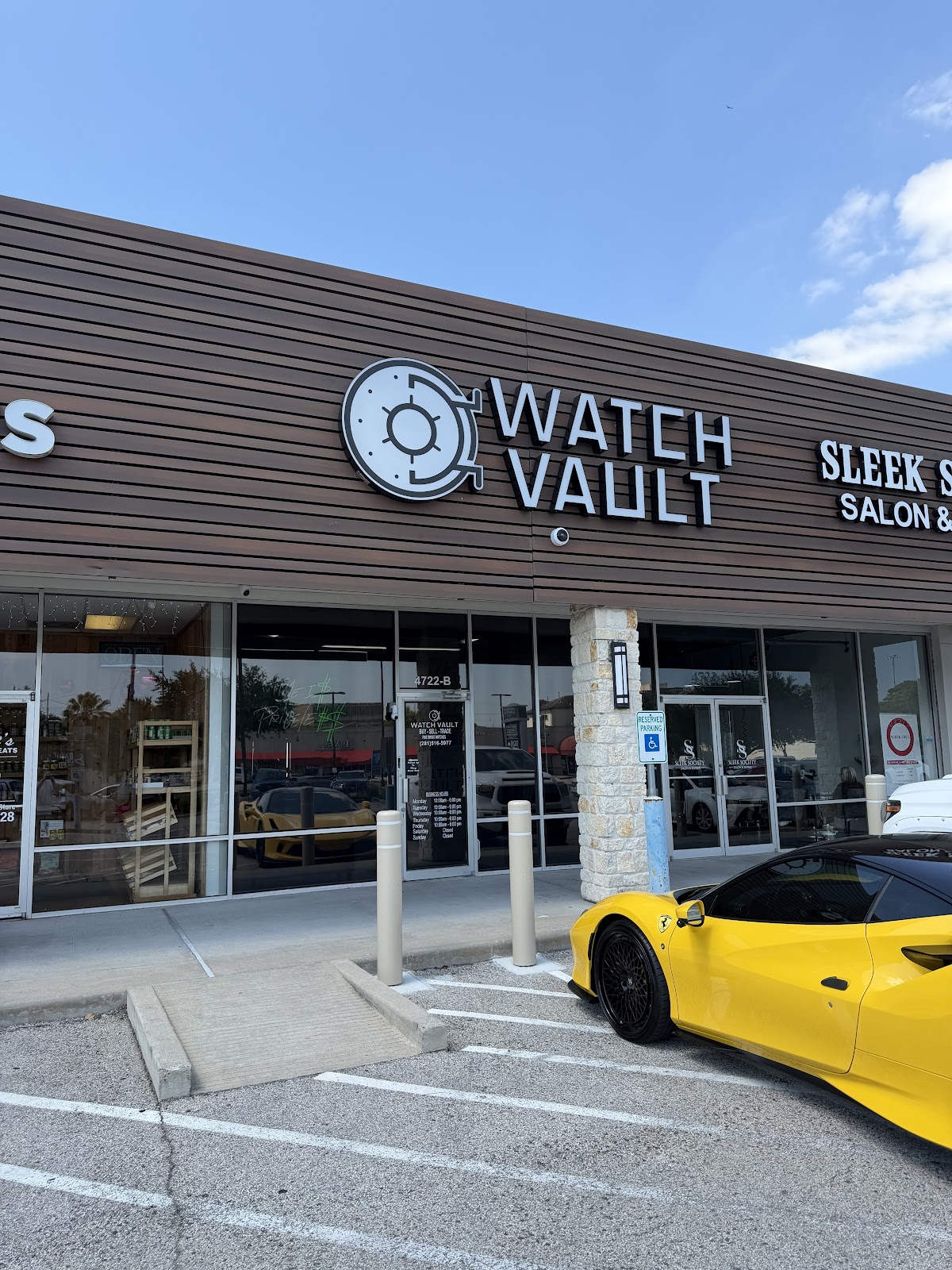
Watch Vault
Afton Oaks / River Oaks Area, Houston, TX
exotic & classic service in Houston
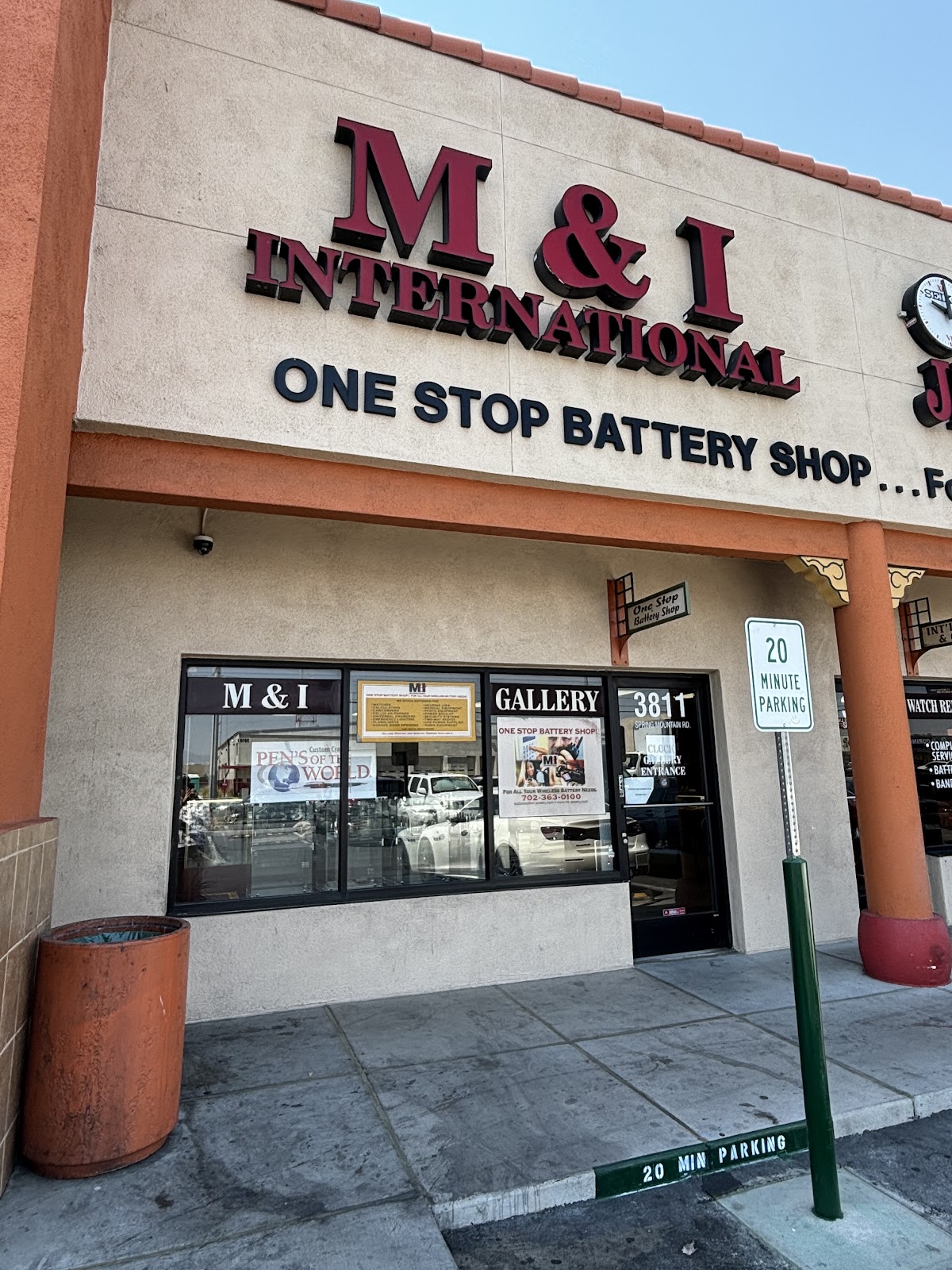
M & I International
Las Vegas, NV
Family-owned showroom providing classic & custom jewelry & watches, plus repair services.

Village Watch Center
Brookline Village, Boston, MA
exotic & classic service in Boston