Büsser, the Friends and the Horological Machine idea
Büsser spent seven years at Jaeger-LeCoultre before becoming managing director of Harry Winston Rare Timepieces in 1998. Working with independent watchmakers on Harry Winston's Opus series gave him the idea for a company built around collaboration. He left in 2005 to start MB&F, bringing in watchmakers, engineers and designers as outside partners, the Friends of the name.
The HM1 of 2007 set the template. It separated the hour and minute displays, put a raised one-minute tourbillon at the center, used four mainspring barrels for a seven-day power reserve, and offered both automatic and manual winding. The HM2 followed in 2008, the HM3 in 2009 and the HM4 Thunderbolt in 2010. The Legacy Machine collection arrived in 2011 with a more classical approach. The HM1 movement has 376 components and 81 functional jewels, so a service has far more parts to account for than a conventional three-hand watch.
Each Horological Machine is an architecture of its own, so the company's own engineers and its partners are the people who know it best. That's the first thing to keep in mind when you think about who should touch the movement. The brand name matters less than the question of who understands this particular design. That's also why the documentation for each reference matters. Keep the owner's manual, the service records and any correspondence about the watch together, so the next watchmaker can see the history without guessing.
How is a Horological Machine or Legacy Machine serviced?
The official route for servicing is through an authorized MB&F retailer, or direct to the company's headquarters and principal workshop, the M.A.D.House, in Carouge. The warranty page allows direct submission there. Make contact first, through the retailer or at info@mbandf.com, rather than shipping a watch without a plan for how it will be received.
Independent servicing is hard to recommend on these pieces. The designs are unusual, the movements are built from specialist parts, and the people who know the architecture best work for the company. An independent can still be useful for a basic functional check or a second opinion on how the watch is running, but a full overhaul is a different job, and it's worth asking the company what it would do to your cover first.
Before shipping, ask for intake instructions, insured shipping, an estimate and an expected turnaround. Include the exact model, the serial number, the symptoms and any previous service history. MB&F doesn't publish a model-specific service price or completion time, so get a quotation for your particular watch. Compare it with the written scope, and ask what would change the price so there are no surprises when the watch comes back.
Can you rely on the warranty, and what about parts?
The company's warranty page describes how to submit a claim through a retailer or to the Carouge workshop. Ask at the point of purchase which warranty applies, how long it runs and what it covers, since the terms come from the brand rather than from the shop that sold you the watch.
Parts are the constraint on any complex design. Because these movements and cases are built with specialist partners, replacement parts for older references may take longer to source than a standard Swiss caliber would. Ask whether a given component is still available before you agree to a repair, so you know what the outcome could be. Ask too whether a replacement part is original or new, because that affects both the watch's originality and its value later.
Plan for the turnaround to be the long part of owning one. Shipping, customs paperwork and specialist work all take time. If you wear the watch every day, think about how you'll manage without it while it's away. Ask whether an in-warranty repair or a later service will be recorded in the watch's file, so your history stays in one place.
Buying a pre-owned MB&F or one at auction
A Horological Machine or Legacy Machine is a collectible watch, so provenance matters. Look for the original box, papers and warranty card, and check that the serial number on the watch matches the documents. Ask whether the watch was sold through an authorized channel, because that record affects the warranty and the resale value.
Ask for a condition report that covers the case finish, the crystal, and any sculpted components that have been adjusted, polished or replaced. Complex cases can hide past work, so a seller who can name the last service and the workshop that carried it out is giving you something concrete to check.
Some auction lots come with paperwork that answers these questions, and some don't. Read the lot description closely, check what the house guarantees and what it doesn't, and find out whether the watch has been serviced since it was sold. A seller who points you to the house's condition report and the serial records is easier to deal with than one who relies on a photograph.
Finding the right specialist for authentication, appraisal and shipping
For servicing, start with the company or an authorized retailer. For a second opinion before you buy, find an authenticator who has examined MB&F watches before and who will check the movement construction and the serial, then write up what they found.
For insurance, an appraiser should describe the reference, the serial, the materials, the movement type and the condition, and explain how they reached their figure. A description that just says luxury watch won't help you in a claim, so ask for the specifics on paper. For documentation, photograph the watch from several angles, including the caseback, and keep those images with the invoice so the appraiser and insurer can match them to the serial number.
When you ship, keep the watch insured from your door to the workshop, and get written confirmation that the workshop expects it. Keep dated photographs of the watch before it leaves, and keep the warranty paperwork with you rather than in the box.
What to look for in a MB&F specialist
- Experience with sculpted, multi-part Horological Machine and Legacy Machine cases
- A plan to route warranty and major service through the company or an authorized retailer
- Pre-purchase checks that record the serial, the papers and the movement construction
- Honest answers on parts availability for older references
MB&F models
Model-by-model guides to buying, servicing, and what to watch.
The Horological Machine line began with the HM1 in 2007 and treats the whole watch as a three-dimensional mechanism, with a raised central tourbillon and separate hour and minute displays.
The Legacy Machine collection began with the LM1 in 2011, a round-cased watch in a 19th-century manner, with a large balance wheel suspended above the dial and a manual 45-hour movement.
MB&F specialists
Top-rated MB&F near you
Specialists for your brand in your area.
6 MB&F specialists in our directory
Boston, MA
All MB&F in Boston →
European Watch Company
Back Bay, Boston, MA
Resource for high-end new, pre-owned & vintage watches, with trade-in & restoration services.
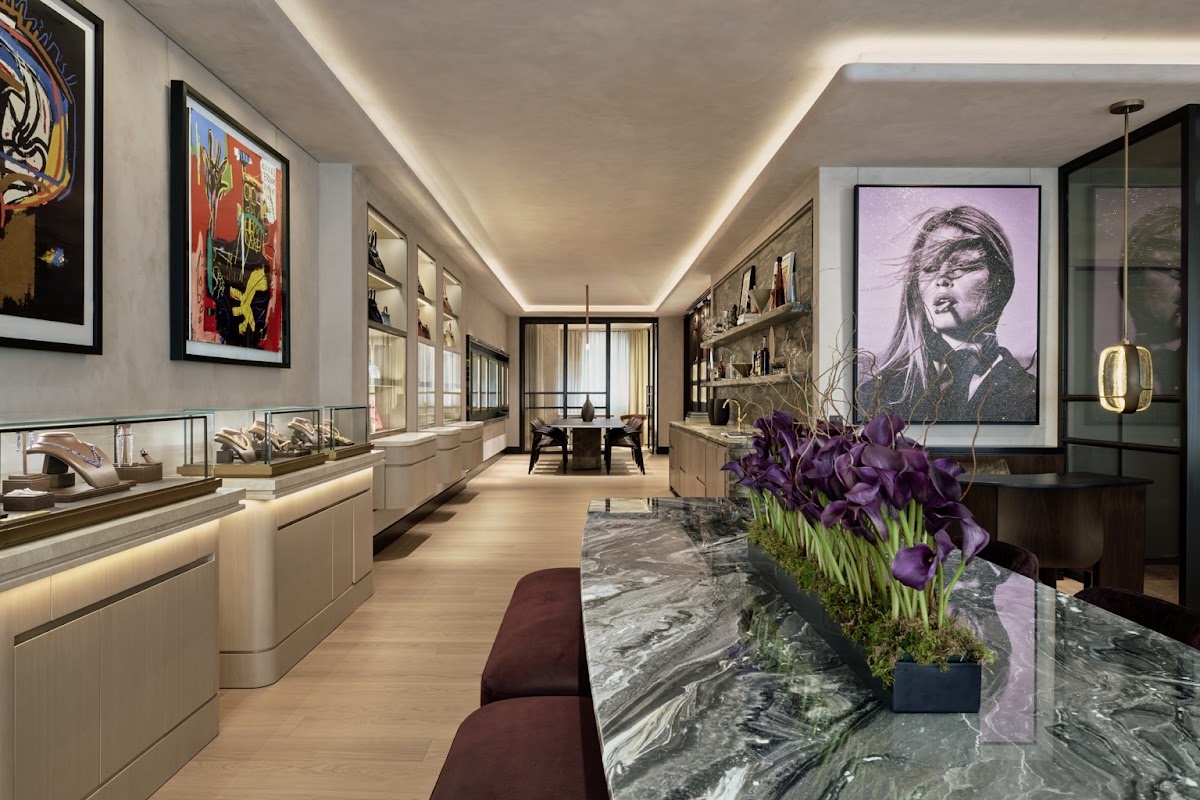
Material Good Boston
Back Bay, Boston, MA
exotic & classic service in Boston
Palm Beach, FL
All MB&F in Palm Beach →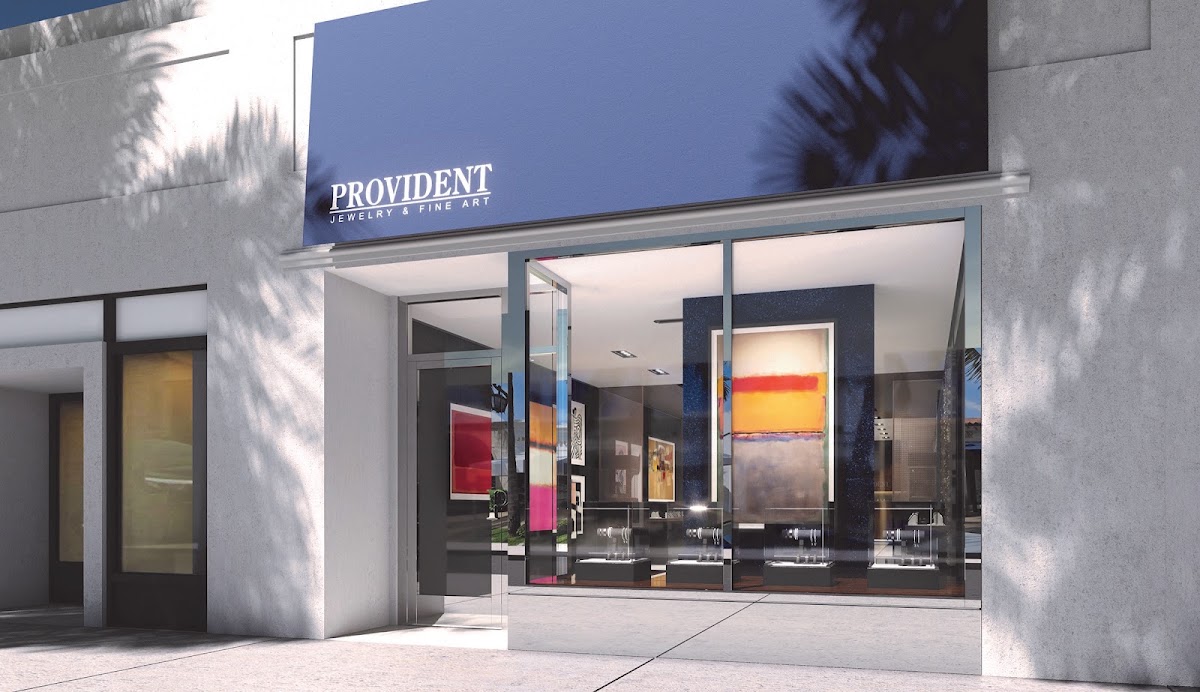
Provident Jewelry & Fine Art
Palm Beach, FL
exotic & classic service in Palm Beach
Beverly Hills, CA
All MB&F in Beverly Hills →Westime Beverly Hills
Rodeo Drive, Beverly Hills, CA
New watches and a certified pre-owned boutique on Rodeo
Rostovsky Watches
Beverly Hills, CA
Appointment-only luxury watch dealer on Wilshire
Dallas, TX
All MB&F in Dallas →Avior Jewelry + Watch Boutique
North Dallas, Dallas, TX
In-house repairs and restorations off Preston Road
MB&F specialists: common questions
When was MB&F founded?
Maximilian Büsser founded MB&F in Geneva in 2005. The first Horological Machine, the HM1, followed in 2007.
What does MB&F stand for?
Maximilian Büsser & Friends. The friends are the outside watchmakers, engineers and designers the company works with.
Can an independent watchmaker service an MB&F?
For a basic functional check, often yes. For a full overhaul or any warranty work, the company and its authorized retailers are the sensible route, because the designs are unusual and parts can be hard to source.
Where is MB&F based?
The company's headquarters and principal workshop, the M.A.D.House, are in Carouge in the canton of Geneva.
Does anyone outside the founder own part of MB&F?
Yes. Chanel took a 25 percent minority stake in 2024, and Maximilian Büsser keeps majority control.