A brook, a closed factory and a 1982 buyout
Oris dates to June 1904, when Paul Cattin and Georges Christian bought the recently closed Lohner watch factory in Hölstein and named the new company after a stream nearby. By 1911 it employed more than 300 people and was the town's largest employer, and it built housing to attract watchmakers. Oris joined ASUAG, a predecessor of the Swatch Group, in 1970, and the quartz crisis hit it hard. The turnaround came in 1982, when Dr. Rolf Portmann and Ulrich W. Herzog led a management buyout and rebuilt the company around mechanical watchmaking.
The Big Crown is the watch most people know. In 1938 Oris built a pilot's watch with an oversized crown that could be used in leather flying gloves, paired with a pointer date: a central hand that points to a date scale around the dial instead of a date window. The pointer date was revived during the rebuilding years and became a symbol of the company's recovery. The dive side has its own history. Oris's first diver dates to 1965, the modern Aquis arrived in 2011, and the Divers Sixty-Five, launched in 2015, takes its name from that 1965 original rather than from a depth rating.
The Aquis Depth Gauge, introduced in 2013, adds a small opening in the sapphire crystal that lets water into a channel, so a mechanical depth reading shows through the crystal. It's a clever feature, and it's one a specialist will want to see clean and properly sealed. Oris's dress-oriented Artelier line sits outside the dive families entirely, so the collection name on the caseback is a useful first clue about what you're holding.
Which movement is in your Oris?
The honest answer depends on the reference, because Oris uses several families. The 754 that powers many conventional Big Crown Pointer Dates is based on the Sellita SW200-1, modified for pointer-date work. The Calibre 400 family is Oris's own design, and the 403 adds a pointer date and small seconds with a five-day power reserve. The 473 is a hand-wound relative with a power-reserve indicator on the back. An Oris calibre number doesn't automatically mean the movement was made from start to finish under one roof, so it's worth reading the reference carefully.
That distinction shapes the service conversation. A 754 is a modified Sellita, and an experienced independent who handles that base can usually work on it. The Calibre 400 family is a different question. Oris's help center describes a ten-year service interval for the 400 movements and explains that repairs in Hölstein check and replace the relevant components, then regulate the watch and test it for at least five days. If a fault needs closer analysis, the whole movement may be swapped. Before you hand over a 400-series watch to anyone, ask how they would source parts for it, because parts access is what decides how the job goes.
Who should service your Oris, and when?
If your watch is still under warranty, Oris or an authorized dealer is the sensible route, because warranty work has to go through them. Oris ties its longer warranty to online registration, so register the watch and read the terms before you book anything elsewhere. Warranty length and conditions can differ by country, so check the paperwork that came with your watch rather than relying on a general rule.
Out of warranty, the decision is about parts and skill more than prestige. A watch on the Sellita base is routine work for a good independent, and you'll often get a clearer estimate and more say over what gets replaced. For a Calibre 400 watch, ask whether the shop can source parts and whether they'd send the movement to Hölstein if deeper analysis is needed. Ask how that decision is made and billed, since a movement replacement is a very different bill from a service.
Don't wait for the calendar alone. Oris suggests checking water resistance every few years, and more often if you swim or wear the watch in the rain. Book sooner if the pointer jumps or sticks, the crown feels gritty, or the watch runs well off the time. Those symptoms usually mean something is starting to wear, and catching it early is cheaper than a full overhaul later.
Buying a pre-owned Oris without getting burned
Popular Swiss sports watches attract copies, and the places a fake usually gives itself away are the crown, the dial printing and the movement. Ask for the papers, and ask whether an independent can open the case before you pay. A seller who refuses an inspection on a watch at this price point is telling you something, and it's usually not good news.
On a pointer-date model, check the pointer first. It should sit cleanly on the date scale and move without catching on the hands. On an Aquis, look at the bezel action and the crystal, and the depth gauge channel if the watch has one. A crystal that has been swapped for a non-matching one is a common quiet problem, and it changes both the look and the fit. Older pieces often have refinished dials and hands. That's fine if the price reflects it, so ask the seller directly what is original.
Ask for service records too. A recent service from a known shop, with a written invoice, is worth more than a box alone. If the case screws or the crown show marks from someone working without the right tools, that tells you the watch has been opened by someone who didn't know what they were doing, and you should ask why it was opened at all.
Finding a specialist who knows Oris
Start by asking which Oris families the shop has worked on. A watchmaker who has handled the Sellita-based 754 and a 400-series movement has a wider toolkit than one who only services older manual-wind pieces. Ask what they do when a part is hard to source, because a good answer is specific and an evasive one usually means the job will take longer than you expect.
Ask for a written estimate that separates movement, case and strap, especially on dive models where gaskets and bezel work add up. Ask whether they'll pressure test the watch after the work and whether they'll show you the old parts when you collect it. Those two questions filter out a lot of shops without much effort.
If you're buying, ask for an inspection before you pay, and bring the watch to someone who will tell you what they found, including the things that aren't good. A specialist can usually tell in one visit whether the pointer and crown are right, whether the dial or crystal has been replaced, and whether the case has been opened. That check costs far less than discovering the problem after the money has moved.
What to look for in a Oris specialist
- Experience with the Sellita-based 754 and the 400 family, and a plain answer about parts
- Pressure testing after any case or gasket work, with the result written down
- Written estimates that separate movement, case and strap
- Willingness to inspect a pre-owned watch before you pay
Oris models
Model-by-model guides to buying, servicing, and what to watch.
The Big Crown pointer date, first made in 1938 with an oversized crown for pilots, gives Oris one of the most recognizable dial layouts in watchmaking, with a central hand that points to the date.
Introduced in 2011 with 300 metres of water resistance, the Aquis gave Oris its modern dive watch, and its Calibre 400 versions brought the brand's own movement into the range.
Oris specialists
Top-rated Oris near you
Specialists for your brand in your area.
16 Oris specialists in our directory
Boston, MA
All Oris in Boston →
Village Watch Center
Brookline Village, Boston, MA
exotic & classic service in Boston

The Watchmaker
Boston, MA
Enduring, family-operated authorized dealer & service center for some of the world’s Swiss watch brands.
Las Vegas, NV
All Oris in Las Vegas →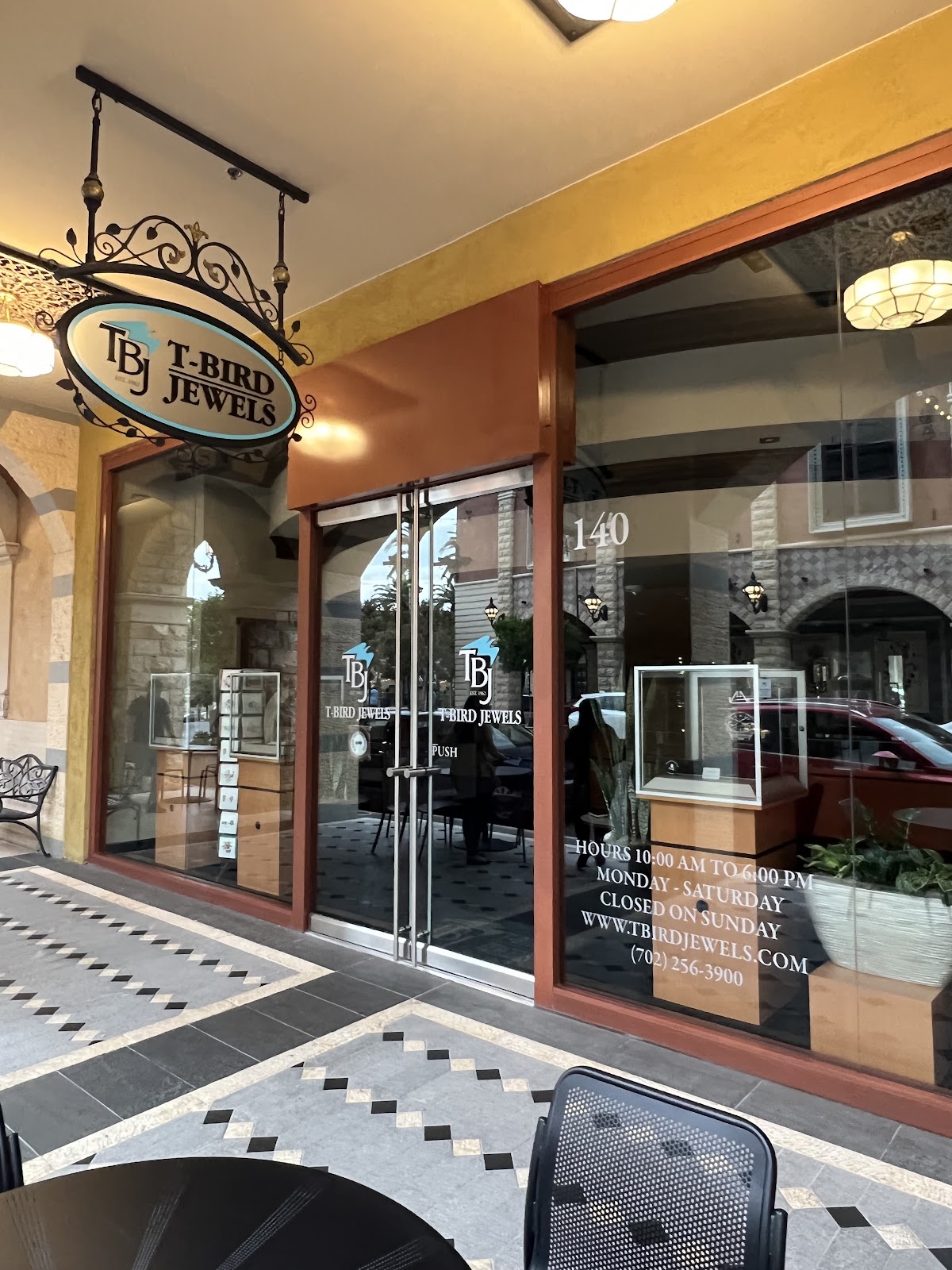
T-Bird Jewels
Angel Park, Las Vegas, NV
Institution selling high-end jewelry & diamonds, plus custom designs & watch repair.
Palm Beach, FL
All Oris in Palm Beach →
Hamilton Jewelers
Palm Beach, FL
exotic & classic service in Palm Beach
Houston, TX
All Oris in Houston →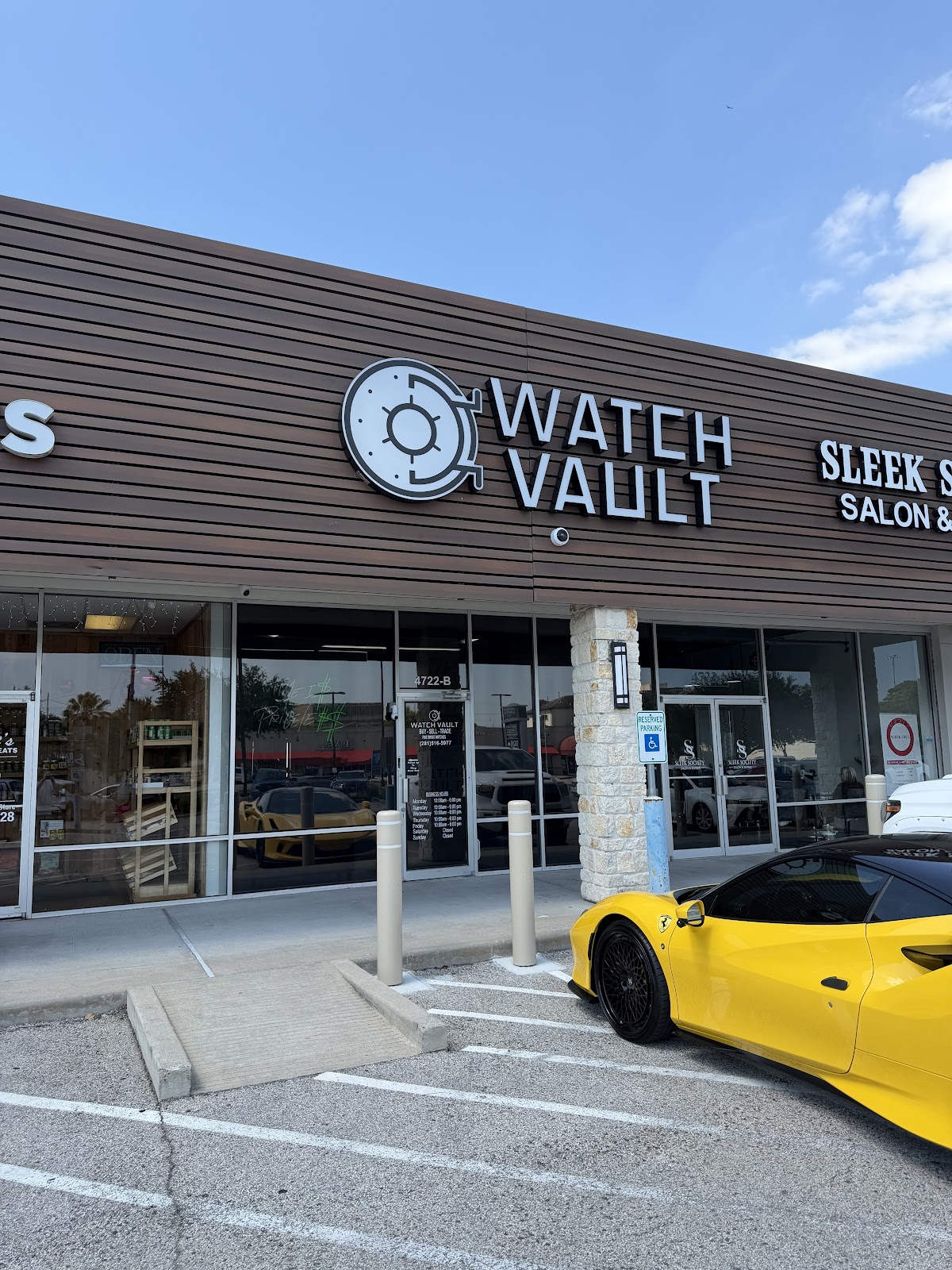
Watch Vault
Afton Oaks / River Oaks Area, Houston, TX
exotic & classic service in Houston
Crescent Watch Guys
Northside, Houston, TX
exotic & classic service in Houston
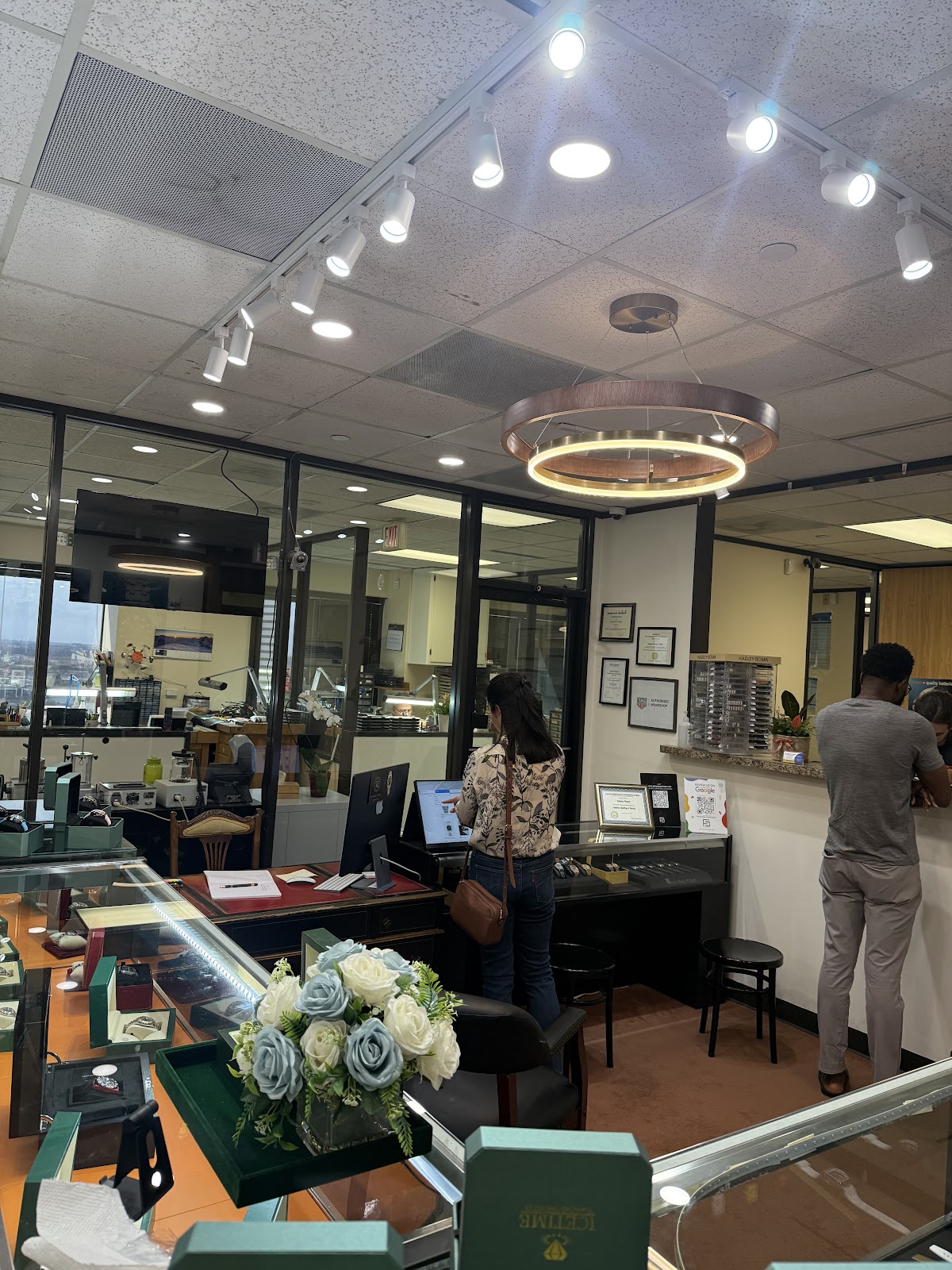
FS Fine Watches – Pre Owned & New Luxury Watches
Westside, Houston, TX
exotic & classic service in Houston
San Francisco, CA
All Oris in San Francisco →
United Watch Services
Union Square, San Francisco, CA
exotic & classic service in San Francisco
New York, NY
All Oris in New York →Analog:Shift
Midtown East, New York, NY
Vintage and pre-owned specialist on East 57th Street
Beverly Hills, CA
All Oris in Beverly Hills →Feldmar Watch Company
Pico-Robertson, Beverly Hills, CA
Modern and vintage service on West Pico
West Coast Watch Service Center
West Los Angeles, Beverly Hills, CA
Swiss watch service with certified watchmakers in West LA
Marina Bay Watch Company
Marina del Rey, Beverly Hills, CA
Westside watch repair with free quotes
Rostovsky Watches
Beverly Hills, CA
Appointment-only luxury watch dealer on Wilshire
Dallas, TX
All Oris in Dallas →Avior Jewelry + Watch Boutique
North Dallas, Dallas, TX
In-house repairs and restorations off Preston Road
Chicago, IL
All Oris in Chicago →A&B Watch Repair
Loop, Chicago, IL
Overhauls, vintage restoration and case refinishing
Sydel & Sydel Jewelry & Watch
Loop, Chicago, IL
Certified watchmakers in the Franklin Center lobby
Oris specialists: common questions
Can an independent watchmaker service an Oris?
Often, yes, particularly watches built on the Sellita-based 754. The Calibre 400 family is Oris's own design, so ask any shop how they'd get parts before you commit.
Does sending my Oris to an independent void the warranty?
It can, depending on your warranty terms and country. Oris ties its longer warranty to online registration, so read the terms before booking outside work and keep records of anything that was done.
How often should an Oris be serviced?
For the Calibre 400 family, Oris's help center describes a ten-year service interval. A watch you wear hard or swim in often may need a look sooner, and a water-resistance check every few years is a sensible habit.
What is a pointer date?
It's a date display where a hand points to a scale around the dial, rather than a window. The mechanism is more involved than a standard date, so the pointer should be checked at every service.
Is the Aquis the same as the Divers Sixty-Five?
No. The Aquis is Oris's modern dive family, and the Divers Sixty-Five is a heritage-inspired diver that revives the look of the company's 1965 original.