How a Düsseldorf founder started a Saxon watch company
Roland Schwertner founded NOMOS in Glashütte in 1990. He came from outside watchmaking, and the brand's own history describes him as a Düsseldorf businessman with a background in photography and IT. That outsider streak explains a lot. NOMOS was never trying to be an heirloom of the old Glashütte houses, and it was never trying to imitate them.
The Tangente is the watch most people picture. Schwertner and designer Susanne Günther drew on 1930s German watch typography, and the result is a slim round steel case, angular lugs and distinctive Arabic numerals on a restrained dial. The look is often called Bauhaus-inspired, though it's a modern interpretation and not a watch from the Bauhaus school. It arrived in 1992 alongside the Ludwig, Orion and Tetra families.
The early identity came from restraint rather than complication, and that choice still shapes what a service involves. A simple dial and slim case leave nowhere for a sloppy job to hide, so the quality of the hand fitting, the dial and the hands is visible to anyone who looks closely. Check those details when the watch comes back.
What does in-house mean at NOMOS?
NOMOS makes a careful distinction between its movements and its escapements, and an owner should too. The hand-wound Alpha is described by the brand as in-house, but it doesn't use the NOMOS swing system. The DUW 3001 and DUW 6101 do. The swing system is the brand's own balance, balance spring, escape wheel and pallet fork assembly, introduced in 2014 to reduce its dependence on outside suppliers for those parts.
The DUW 3001 is the thin automatic, at about 3.2 mm, and the DUW 6101 adds a date that can be set quickly in either direction, at about 3.6 mm. The Alpha, at about 2.6 mm, is the hand-wound option with time and small seconds only. For a specialist, the practical point is that a swing-system movement needs someone who understands its regulation and can source its parts, while the Alpha is a narrower job that still calls for NOMOS-specific knowledge.
Owners who like the technical side should read the brand's own description of the swing system before a service. It's an escapement and oscillator assembly, not a winding system. A watch that runs erratically after a knock needs its regulating parts checked as well as the winding, so ask the shop which one they would look at first.
Factory first: how NOMOS handles service
NOMOS services its own watches at its Glashütte manufactory. Its service information covers sending a watch through a retailer or directly to the factory, and it asks you to contact the brand before shipping a warranty claim. The factory guarantees its service and repair work for two years from the date the watch is returned, with a separate one-year guarantee for water-resistance work. The brand doesn't publish a fixed turnaround, so ask the service team for an estimate on your model before sending it.
For its hand-wound models, NOMOS's instructions suggest a full service roughly every five years, plus an annual water-resistance check. Treat that as the brand's guidance rather than a rule. A watch that runs badly, loses or gains oddly after a knock, or shows condensation under the crystal needs attention sooner than the calendar says. If the watch was last serviced several years ago and you're planning a trip to the water, book the pressure test first.
Ask the factory which level of service it recommends for your model and history, because the quote may include parts you didn't expect, such as gaskets and a new crystal. Ask also whether the water-resistance test is part of the quote. The brand guarantees that work for one year, separately from the two-year guarantee on the service itself.
Buying a pre-owned NOMOS: caliber and case first
Start with the paperwork. Confirm the reference and the caliber named on the papers match the movement, because the time-only and date versions are different inside and a seller should be able to say which one is in the watch. Check the serial number against the papers and make sure the case looks like it has been opened only by the brand or a careful specialist. Ask a watchmaker to look at the screws and the gasket seating too, since both show whether the case has been apart.
Ask whether the watch has had service at the factory or elsewhere, and whether a water-resistance test was done and recorded. A pre-owned NOMOS that has never been pressure tested is a question to answer before you buy, not a surprise to find afterward. Ask for the invoice from any previous service, and ask the factory whether its records cover that watch.
If you're buying from a private seller, ask for the watch to be inspected before you pay, and find out whether it was bought new through a NOMOS retailer. A dealer's purchase record makes warranty questions simpler to answer. Keep the invoice and any service paperwork with the watch from the day you buy it.
Who should work on a NOMOS, and what to ask
The factory is the default for anything beyond routine care, and for a watch still in warranty it's the obvious choice. Outside that, a watchmaker who knows modern German movements can handle the case, the crown, the strap and the water-resistance test. The harder part is the calibers, so ask any independent whether they've worked on a NOMOS movement, whether they can get genuine parts for it, and what they expect to replace.
A reasonable estimate separates the movement service from the parts list and the pressure test. Ask to keep the old parts. If a shop is unsure about the swing system's regulation, send the watch to the factory rather than guessing on a movement the brand builds and services itself.
Location is the last factor. A local independent saves shipping and makes it easy to ask questions in person, while factory service means working through the brand's service department in Glashütte. Either way, agree on timing and cost in writing before the watch leaves your hands, and send it with insurance.
What to look for in a Nomos Glashütte specialist
- Experience with NOMOS calibers, including the swing system
- A clear answer on genuine parts before any disassembly
- Pressure testing with a written result
Nomos Glashütte models
Model-by-model guides to buying, servicing, and what to watch.
The Tangente, launched in 1992 in NOMOS's original collection, is one of the brand's defining dress watches, with a restrained design drawn from 1930s Glashütte watches.
The Club family started in 2007 as NOMOS's more casual line, and the Club Sport neomatik of 2019 brought it into sports watches, with 300 m water resistance on its original 42 mm model.
Nomos Glashütte specialists
Top-rated Nomos Glashütte near you
Specialists for your brand in your area.
7 Nomos Glashütte specialists in our directory
Boston, MA
All Nomos Glashütte in Boston →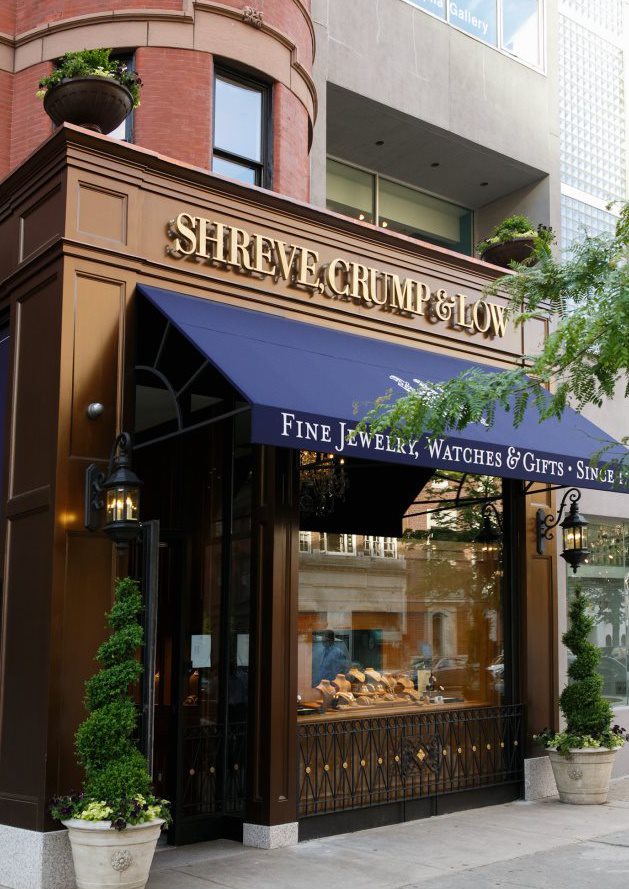
Shreve, Crump & Low
Back Bay, Boston, MA
One of America's oldest jewelers, dating to 1796, with 2 stories of rings, watches & other gifts.

Long's Jewelers with Patek Philippe
Back Bay, Boston, MA
Designer pieces are offered at this branch of a local, high-end jewelry store established in 1878.
Palm Beach, FL
All Nomos Glashütte in Palm Beach →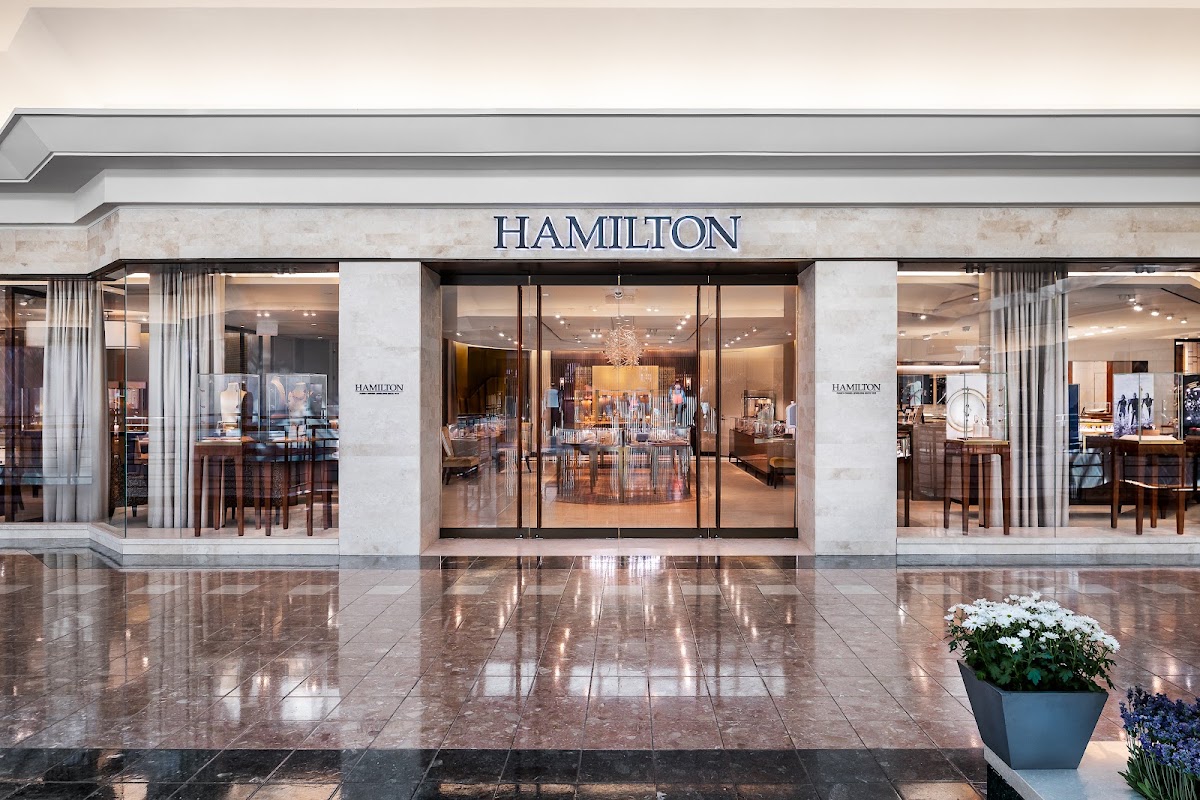
Hamilton Jewelers
Palm Beach, FL
exotic & classic service in Palm Beach
Houston, TX
All Nomos Glashütte in Houston →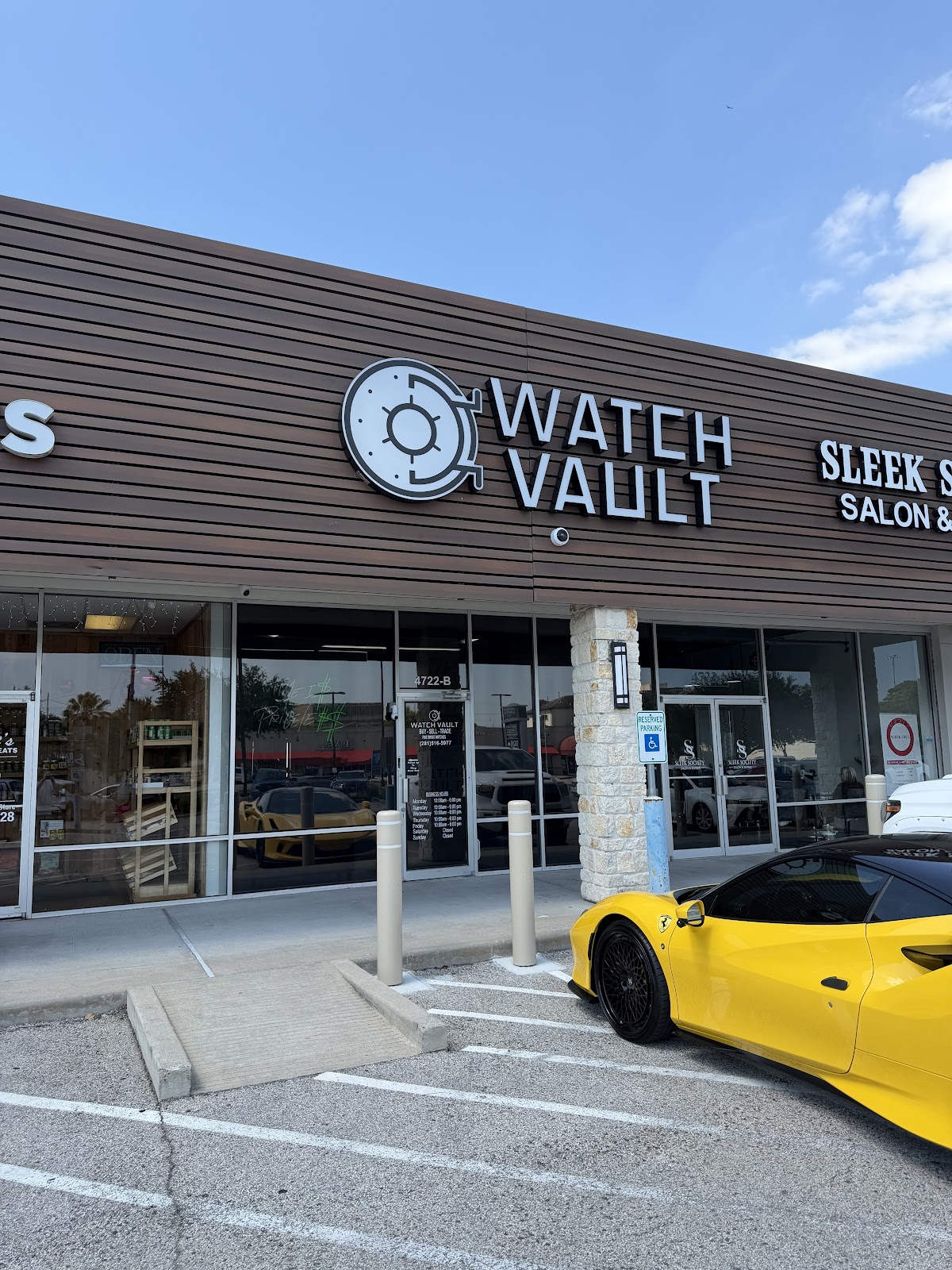
Watch Vault
Afton Oaks / River Oaks Area, Houston, TX
exotic & classic service in Houston
Beverly Hills, CA
All Nomos Glashütte in Beverly Hills →Feldmar Watch Company
Pico-Robertson, Beverly Hills, CA
Modern and vintage service on West Pico
Dallas, TX
All Nomos Glashütte in Dallas →Avior Jewelry + Watch Boutique
North Dallas, Dallas, TX
In-house repairs and restorations off Preston Road
Chicago, IL
All Nomos Glashütte in Chicago →Sydel & Sydel Jewelry & Watch
Loop, Chicago, IL
Certified watchmakers in the Franklin Center lobby
Nomos Glashütte specialists: common questions
Who founded NOMOS Glashütte?
Roland Schwertner, who set up the company in Glashütte in 1990. It remains independent and family-run.
What is the Tangente?
NOMOS's signature design from 1992, with a slim round steel case, angular lugs, Arabic numerals and a small-seconds dial.
What is the NOMOS swing system?
The brand's own balance, balance spring, escape wheel and pallet fork assembly, introduced in 2014. It regulates the watch and is not an automatic winding system.
How often should a NOMOS be serviced?
For hand-wound models, the brand's guidance is a full service roughly every five years plus an annual water-resistance check. Use it as a guide and go sooner if the watch runs badly.
Is factory service guaranteed?
NOMOS guarantees its service and repair work for two years from the date the watch is returned, and its water-resistance work for one year.