Restoration first, then a watch house
Michel Parmigiani's early work was restoration. He handled clocks, watches and other mechanical objects, and his contact with the Sandoz family came through that work. The watch brand itself was inaugurated on May 29, 1996. Dates for the restoration workshop differ slightly between sources, with the brand's current history putting it in 1976 and an older Fleurier document giving 1975. If you see a different year somewhere else, that is probably the reason.
The first wristwatch was the Toric QP Retrograde, introduced in 1996, and the Toric family has stayed one of the core lines. These are dress watches with a knurled bezel and an emphasis on decoration, the kind of finishing that asks a lot of whoever opens the case. The Tonda PF is a quieter round watch with guilloché dials, and in its micro-rotor versions the rotor is built into the movement rather than mounted above it, which keeps the watch slim.
The Kalpa Hebdomadaire shows the restorer's interest in unusual shapes and long power reserves. Its barrel-shaped tonneau case holds a movement shaped to match, driven by the PF110, a manually wound caliber with an eight-day power reserve. That kind of unusual layout is the reason to find a watchmaker who has worked on this sort of movement, because a standard round-movement routine won't always fit.
Official service or an independent watchmaker?
Parmigiani's published route runs through an authorized retailer, who arranges transfer to an approved after-sales service center. The brand's contact details in Fleurier are for service intake and shipping instructions rather than a walk-in counter, so phone before you send anything. Repairs inside the certified network are also the way to keep the warranty intact, so if your watch is under warranty, that is the sensible place to start.
Outside warranty, a good independent can do sound work on many Parmigiani movements, but parts are the constraint. The brand's warranty terms exclude unauthorized interventions and non-original components, and the published material doesn't say whether Parmigiani supplies replacement parts to unaffiliated watchmakers. Don't assume an independent has genuine parts or real experience with your caliber. Ask for specifics before you book, and be wary of anyone who is vague about where a part will come from.
Talk through the finish before the watch leaves your hands. Parmigiani cases and dials are finely finished, and a polish, a dial replacement or a new hand changes both the look and the value. Get written agreement on refinishing and on any cosmetic part before work starts, along with a note of what you want kept original.
How often does a Parmigiani need a full service?
Parmigiani's published guidance recommends a full service every four to six years, depending on use, conditions and complications. A watch worn most days, or one with a complication that is used often, belongs at the shorter end of that range. A dress watch that lives in a case most of the week can go longer, though a pressure check and a visual inspection still make sense between services.
The warranty on a service matters as much as the interval. Parmigiani gives two years on work performed and components replaced at a service, and that cover applies to operating faults caused by the intervention itself, not to the whole watch. Ask about it before you start, because it tells you who is accountable if the watch comes back with the same problem a month later.
Pressure testing deserves its own line in the schedule for any Parmigiani you wear near water. Seals age even in a watch that barely leaves the house, and a check before a holiday costs far less than a damaged dial or a fogged crystal. Keep the records of each test with the rest of your service paperwork.
Buying a pre-owned Parmigiani: papers and finish
Parmigiani is a smaller house than the large Swiss groups, so there are fewer confirmed reference examples on the secondary market for an inspector to compare against. That makes the papers and the service history more important than they are on a mass-market watch. Ask for the original warranty card, the box and every service invoice you can find. A watch with a clear record from the authorized network is easier to value and easier to insure.
Counterfeits exist for Parmigiani as they do for any well-known name, and the finishing is the first thing a copy gets wrong. Check the dial under good light, looking at the printing and at any guilloché pattern for consistency. Open the caseback if the seller allows it, and check the movement against the reference. A dial that has been refinished, or hands and a crystal that don't match the period, should lower your offer.
A private sale can't carry the original warranty, so price the watch accordingly and get an independent inspection before you commit. Ask whether the seller has ever registered for a warranty extension, and whether the watch has been serviced inside the network. A straightforward answer to those two questions tells you a lot about how the watch has been treated.
Dials are the part most often changed without a good reason. Some watchmakers can clean a dial in place, but a dial that has to come off carries a real risk of marks, lifted printing or a shifted hand. Ask whether the job needs the dial removed, and if it does, get the risk and the alternative in writing before anyone starts work.
Polishing is a similar conversation. A light clean of a finely finished case is different from a full polish, and a full polish can soften the edges that define the design. If you want the original finish kept, say so at the start, and ask the shop to confirm in the estimate that no polishing will happen without your approval.
Picking a specialist who fits the house
Choose a watchmaker who has handled Parmigiani movements before, and who can say something specific about the caliber in your watch. Ask whether they will use genuine parts, what they can do about the finish, and whether they will coordinate with the brand if the watch turns out to need factory work. A shop that says yes to all three without any hedging is either very experienced or very confident, and you'll find out which when you ask for references.
If the watch is still in warranty, go through an authorized Parmigiani retailer first. If it's out of warranty and you prefer independent work, get a written estimate that lists movement, case and dial separately, and ask what happens if the watchmaker can't source a part. An honest answer to that last question is worth more than a low quote.
What to look for in a Parmigiani Fleurier specialist
- Experience with the PF caliber in your watch and a clear view of its parts supply
- Written agreement before any polishing, dial work or cosmetic replacement
- Pressure testing and timing results recorded after every service
- Clear answers on warranty status and what the service warranty covers
Parmigiani Fleurier models
Model-by-model guides to buying, servicing, and what to watch.
Tonda PF, introduced in September 2021, is Parmigiani's integrated-bracelet dress line, and its original Micro-Rotor model runs on the in-house PF703 caliber with a rated 48-hour reserve.
Toric, which began with the 1996 Toric QP Rétrograde, is Parmigiani's signature case line of gadroons and knurling, and its chronographs run from an early Zenith-based movement to the hand-wound PF361 introduced in 2024.
Parmigiani Fleurier specialists
Top-rated Parmigiani Fleurier near you
Specialists for your brand in your area.
14 Parmigiani Fleurier specialists in our directory
Washington, DC
All Parmigiani Fleurier in Washington →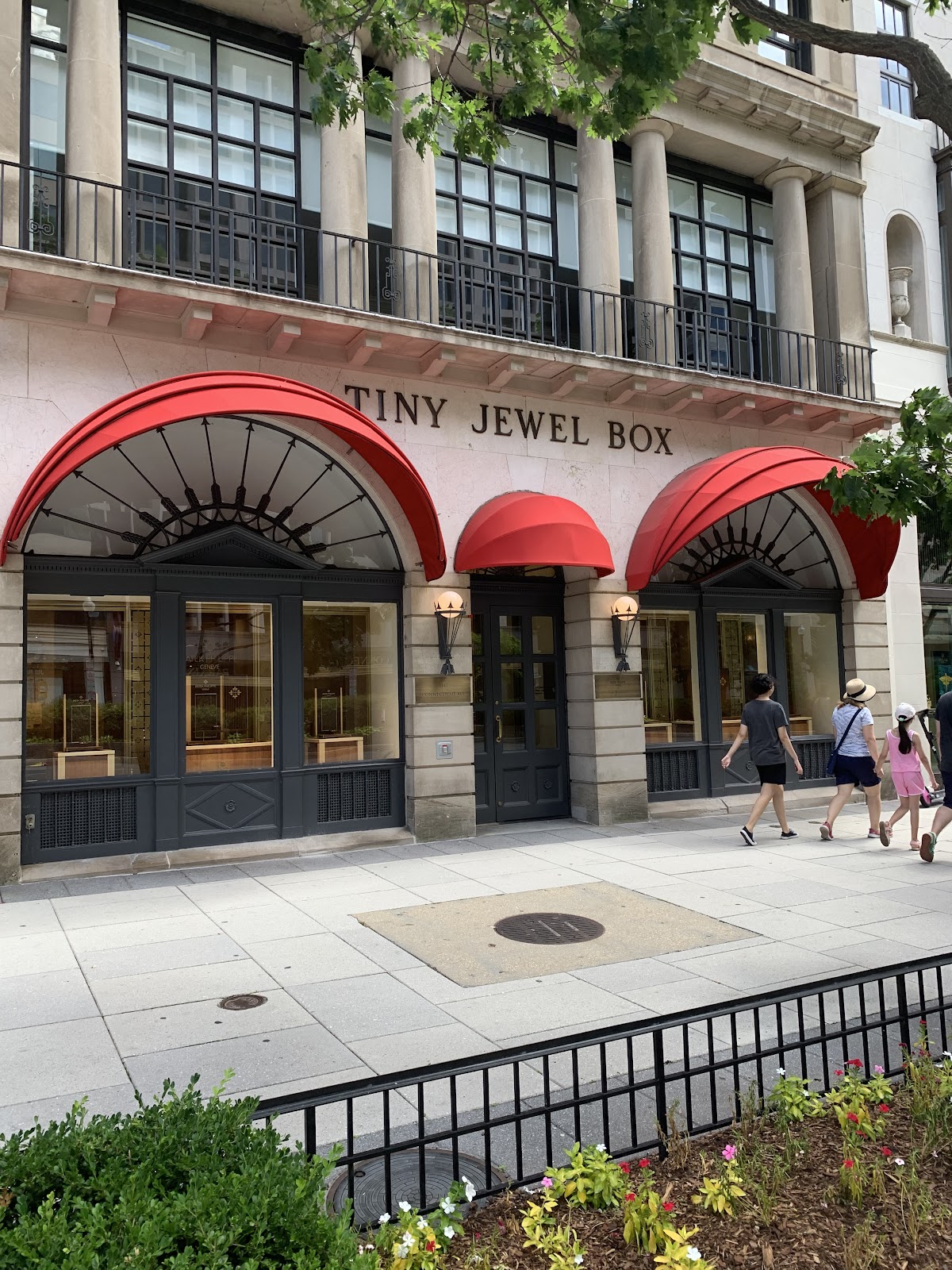
Tiny Jewel Box
Northwest Washington, Washington, DC
Elegant, family-run fixture offering a wide selection of vintage jewelry, plus contemporary designs.
Boston, MA
All Parmigiani Fleurier in Boston →
European Watch Company
Back Bay, Boston, MA
Resource for high-end new, pre-owned & vintage watches, with trade-in & restoration services.
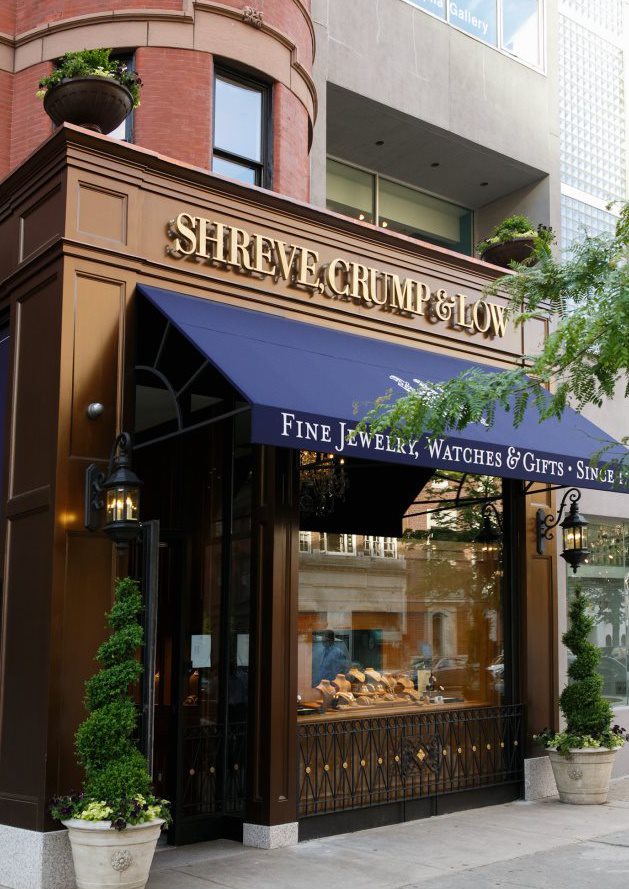
Shreve, Crump & Low
Back Bay, Boston, MA
One of America's oldest jewelers, dating to 1796, with 2 stories of rings, watches & other gifts.
Palm Beach, FL
All Parmigiani Fleurier in Palm Beach →
Watch Grande
Palm Beach Lakes, Palm Beach, FL
exotic & classic service in Palm Beach
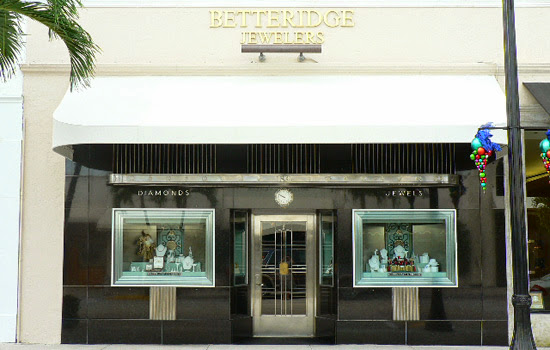
Greenleaf & Crosby by Betteridge
Palm Beach, FL
exotic & classic service in Palm Beach
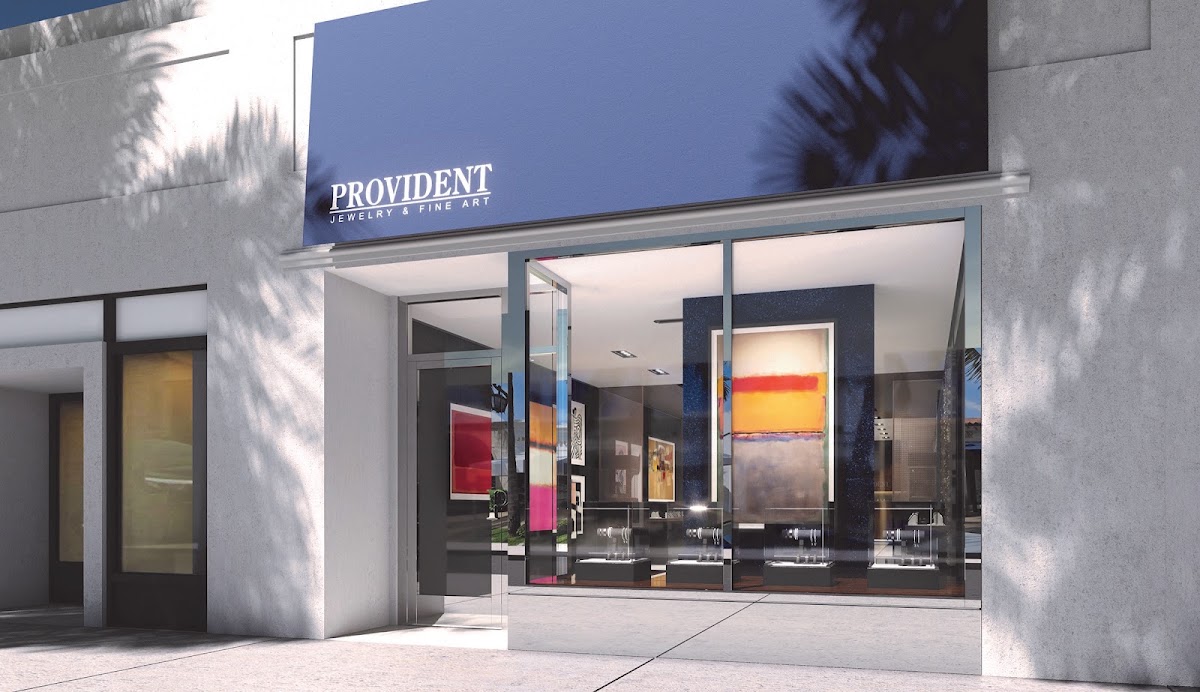
Provident Jewelry & Fine Art
Palm Beach, FL
exotic & classic service in Palm Beach
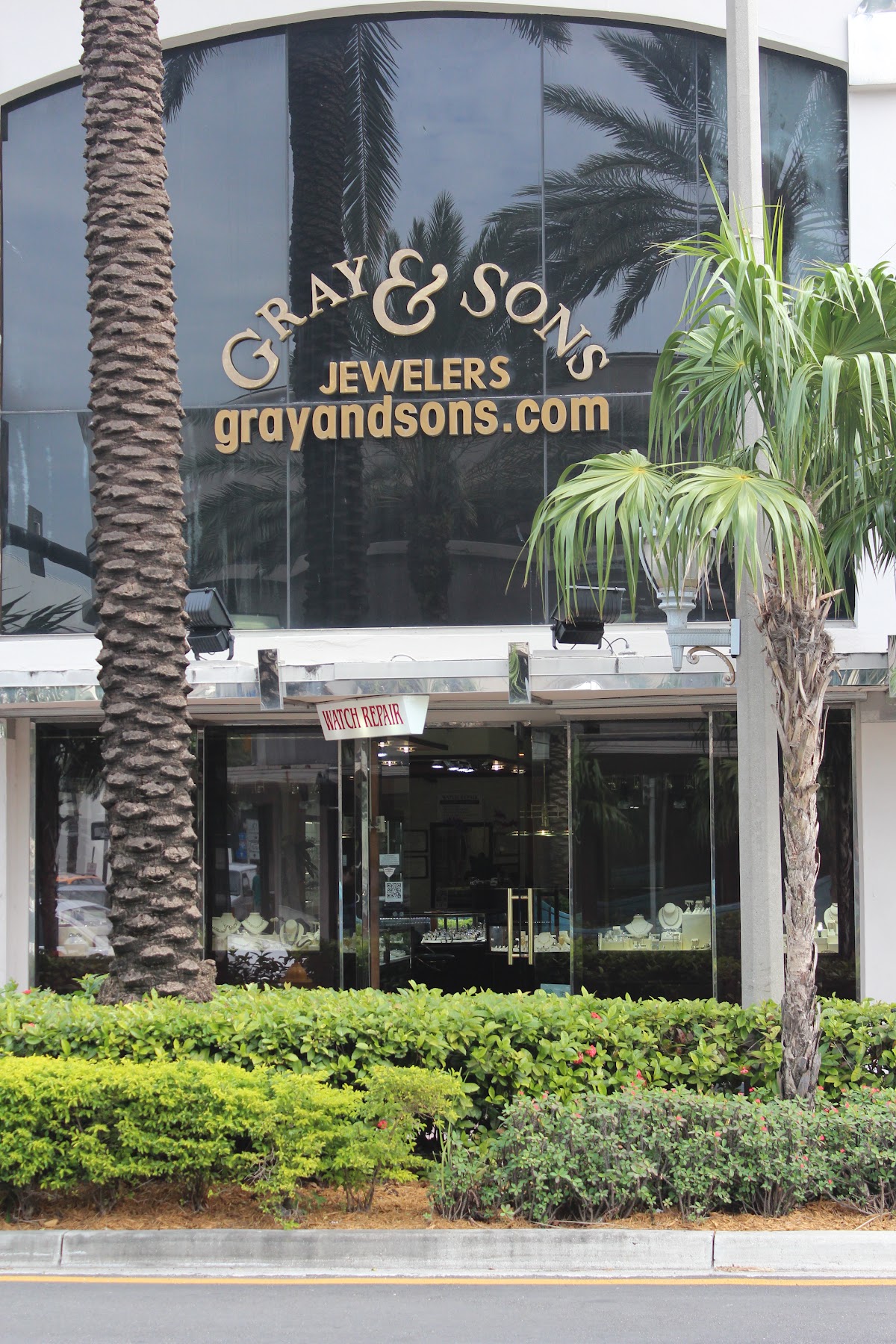
Gray and Sons Jewelers Luxury Estate Watches & Jewelry
Palm Beach, FL
Vintage service in Palm Beach
Houston, TX
All Parmigiani Fleurier in Houston →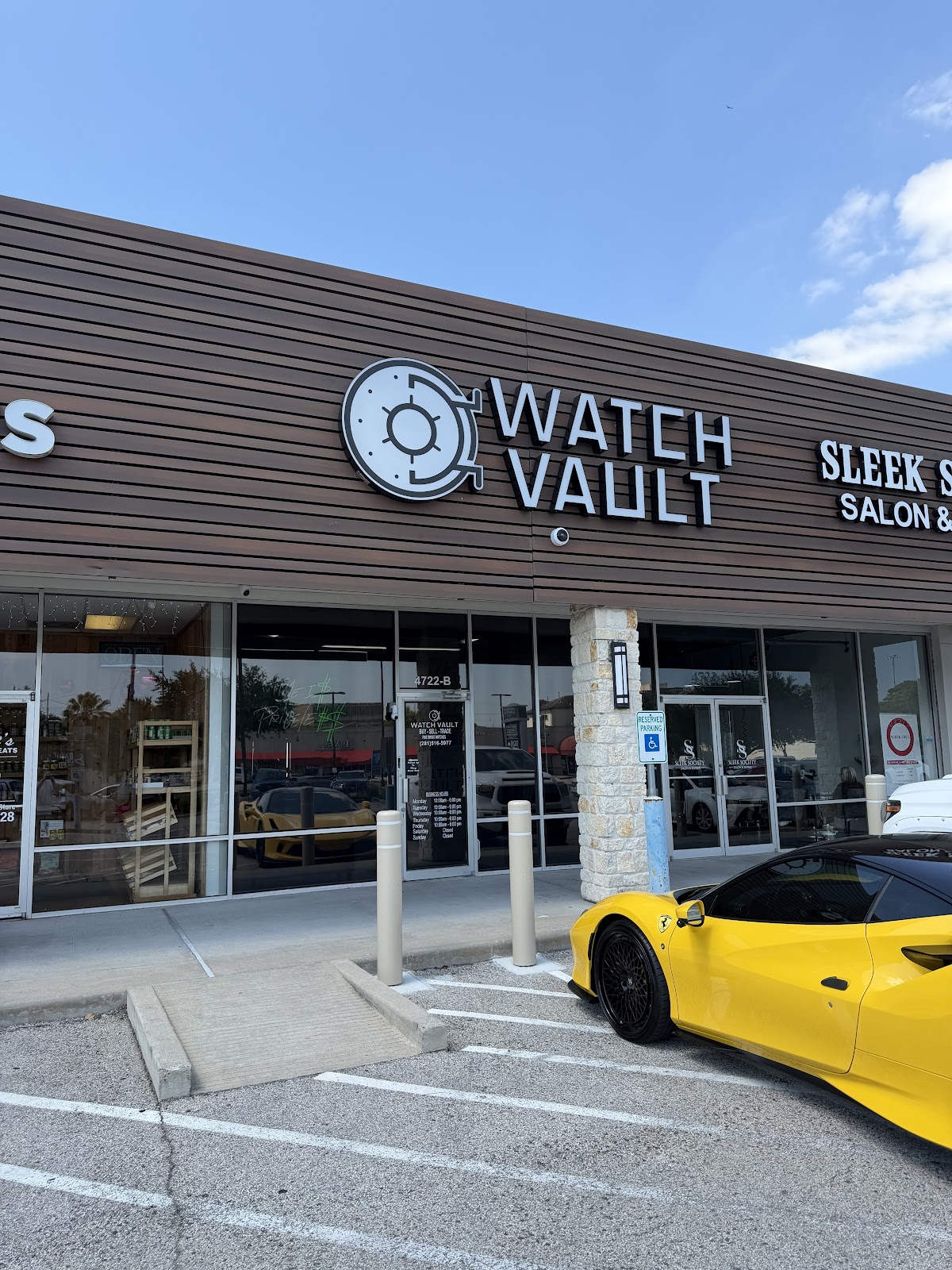
Watch Vault
Afton Oaks / River Oaks Area, Houston, TX
exotic & classic service in Houston
Miami, FL
All Parmigiani Fleurier in Miami →Gray & Sons Jewelers
Surfside, Miami, FL
In-house watchmakers and pre-owned watches by Bal Harbour
DavidSW Miami
Design District, Miami, FL
Independent pre-owned luxury watch showroom
Beverly Hills, CA
All Parmigiani Fleurier in Beverly Hills →Feldmar Watch Company
Pico-Robertson, Beverly Hills, CA
Modern and vintage service on West Pico
West Coast Watch Service Center
West Los Angeles, Beverly Hills, CA
Swiss watch service with certified watchmakers in West LA
Rostovsky Watches
Beverly Hills, CA
Appointment-only luxury watch dealer on Wilshire
Dallas, TX
All Parmigiani Fleurier in Dallas →Eiseman Jewels NorthPark
NorthPark, Dallas, TX
Luxury watches and certified pre-owned at NorthPark
Parmigiani Fleurier specialists: common questions
Can an independent watchmaker service a Parmigiani Fleurier?
Possibly, but check parts first. The brand's warranty terms exclude unauthorized work and non-original components, so an independent should show genuine parts and real experience with your caliber before you book.
How often should a Parmigiani be serviced?
The brand's published guidance is every four to six years, depending on use and complications. Pressure test more often if you wear the watch near water.
What is the Toric collection?
Toric is the family that started with the Toric QP Retrograde, the brand's first wristwatch in 1996. It remains one of the core lines, with a knurled bezel and a dress-watch character.
Who owns Parmigiani Fleurier?
The Sandoz Family Foundation backed Michel Parmigiani when the brand was founded in 1996, and it remains the owner. The brand is based in Fleurier, Switzerland.